on the approval of the list of countries / areas / territories of epidemiological risk for which the quarantine measure is established on persons arriving in Romania from
these, in the context of the COVID-19 pandemic and the increase in the quantities of emergency medical stocks with products, sanitary materials and equipment needed in the process of vaccinating the population against the SARS-CoV-2 virus https://stirioficiale.ro/hotarari
DECISION no. 17 from the date of 14.03.2021 of CNSU
on the approval of the list of countries / areas / territories of epidemiological risk for which the quarantine measure is established on persons arriving in Romania from them, in the context of the COVID-19 pandemic https://stirioficiale.ro/hotarari
REGISTER FOR THE COURSE 66 SUMMER OF POLAND LANGUAGE AND CULTURE (ONLINE) polonicum.uw.edu.pl/ en/summer-courses
Like every year, for the 66th time (and the second time from a distance), we invite summer students to courses in Polish language and Polish culture, student, scholarship students, but also people who are not related to the university.
Course term: 2 – 27 August 2021 The total number of people in a group: 6 – 8. Groups at all levels of competence. Price: 2 700 PLN.
76 hours of language courses (inclusive 57 live video dating and 19 hours of self-study on the platform).
Additional culture and language courses (included in the fee): conversation courses and workshops (8 ore), lectures on Polish history and culture in English (8 ore) and Polish (8 ore), workshops organized by the Warsaw Museum, possibility of communication between all participants and teachers through the moderate internal forum, created to present curiosities about the Polish language and to discuss current topics. Our partners will find other details on the website (link below in Polish and English) http://polonicum.uw.edu.pl/wakacyjny#zwiastun-programuhttp://polonicum.uw.edu.pl/en/summer-course
Polonicum Award, initiated by the Center for Polish Language and Polish Culture for Foreigners
It is awarded to foreign researchers for outstanding achievements in promoting the Polish language and knowledge of Polish culture and history in the world.. The purpose of the award is to promote Polish culture in the field of language, literature, culture, history and art abroad. The prize is awarded once a year.
According to regulations, the laureate receives a bronze statuette and a commemorative diploma. The award ceremony takes place in November, during the celebration of the University of Warsaw.
The winner is selected by the Polonicum Prize Committee consisting of: The Rector of the University of Warsaw or his representative, The Marshal of the Senate or his representative, The Minister responsible for culture and the protection of the national heritage or his representative, The Minister responsible for higher education or his representative; The President of the Association "Polish Community" or his representative; Director of the National Library or his representative; Dean of the Faculty of Polish Studies at the University of Warsaw; Chairman of the Scientific Council of the Polonicum Center of the University of Warsaw; Director of the Polonicum Center at the University of Warsaw.
We cordially invite you to apply for the POLONICUM Award, and on request to attach documentation describing the candidate's achievements (CV, bibliography, recommendations of people private or the institution supporting the application, possibly prints of ware, the first pages of books, etc.)
Applications are sent up to 31 th of May 2021 at the following address: University of Warsaw; Polish Language and Culture Center for Foreigners Polonicum; the. Krakow suburb 26/28 00-927 Warsaw with the annotation Nagroda POLONICUM 2021 or by e-mail: finansonicum@uw.edu.pl
We enclose the POLONICUM Award regulations and invite you to visit the Centrum Polonicum website, where you can see the profiles of the winners from previous years. http://polonicum.uw.edu.pl/nagroda-polonicum#o-nagrodzie
TRANSFER OF AUTHORITY OF POLISH MILITARY ON MISSION TO CRAIOVA
On Friday, 12 January 2021, starting with the hours 11.00, at the headquarters of the 26 Infantry "Neagoe Basarab" from Craiova, took place ceremony for the transfer of authority of polish military contingents , rotation I and rotation II. The Polish contingent is part of the joint initiative, having the mission to contribute to ensuring a consolidated presence in the South-East of the Alliance, in accordance with the measures adopted at the NATO Summit in Warsaw in 2016.
The Polish contingent is affiliated with the Battalion 26 "Neagoe Basarab" Infantry of the South-East Multinational Brigade, and the duration of a rotation in Romania for each contingent is approximately six months.
This event was attended by officials from the Ministry of National Defense, representatives of the Operational Command of the Polish Armed Forces and local public administration. https://www.gov.pl/web/rumunia/udzial-ambasadora-macieja-langa-w-przekazaniu-dowodzenia-vii-zmiany-pkw-w-krajowej
TWINNING OF BRAȘOV WITH KRAKOW
The project of the twinning of Brașov with Krakow – the second most important city in Poland – was brought into discussion during the meeting between the Honorary Consul of the Republic of Poland in Brașov, Mr. Janusz Wieslaw SZALINSKI and the Mayor of Brașov, Mr. Allen Coliban, Wednesday 10 February 2021, at the Brașov City Hall.
Polish Independence Day
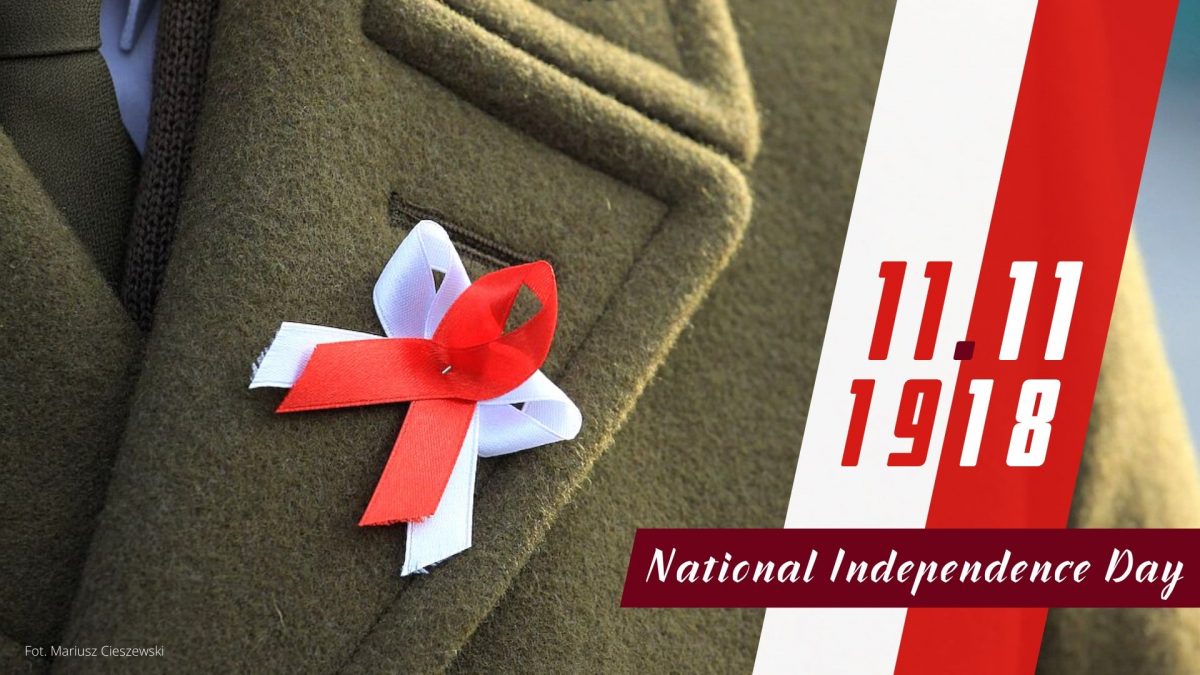
In 1918, after 123 years of foreign occupation, Poland regained its independence by becoming a Republic at the end of the First World War. This event was possible in the favorable international context and was due to the struggle and efforts of a remarkable generation of patriots and statesmen., like Josef Piłsudski, Roman Dmowski, Ignacy Jan Paderewski, Josef Haller, Wojciech Korfanty, who kept their identity under foreign occupations, they developed a sense of national community and showed high patriotism.
On 4 March 1921 the Convention of Defensive Alliance between the Kingdom of Romania and the Republic of Poland was signed, the two neighboring states becoming allies until World War II, when Poland was devided, being occupied by Nazi Germany and the Soviet Union. In 1947 it became a Republic again, with a communist government. In June 1989 free elections were held and a democratic regime was adopted.
Poland is a member of the UN, NATO (from 1999), OSCE, to the EU (from 2004), in the Council of Baltic States, Visegrád Group, The Weimar Triangle and the Three Seas Initiative. In 2007 joined the Schengen Area.
The strategic partnership between Romania and Poland was launched during the visit of the Polish president, Lech Kaczynski, in Romania. Thus, a Joint Declaration of the Presidents of Romania and the Republic of Poland was signed (7 October 2009). The Joint Declaration sets out the main guidelines and directions for action in the following areas: political and security cooperation, energy and sustainable development, agriculture, regional development, shipments, climate change and other common goals of the two states in the region.
On 28 October 2010 the Action Plan for the implementation of the Strategic Partnership was also signed. At the moment, The Strategic Partnership is implemented through the Joint Action Plan for the period 2016-2020.
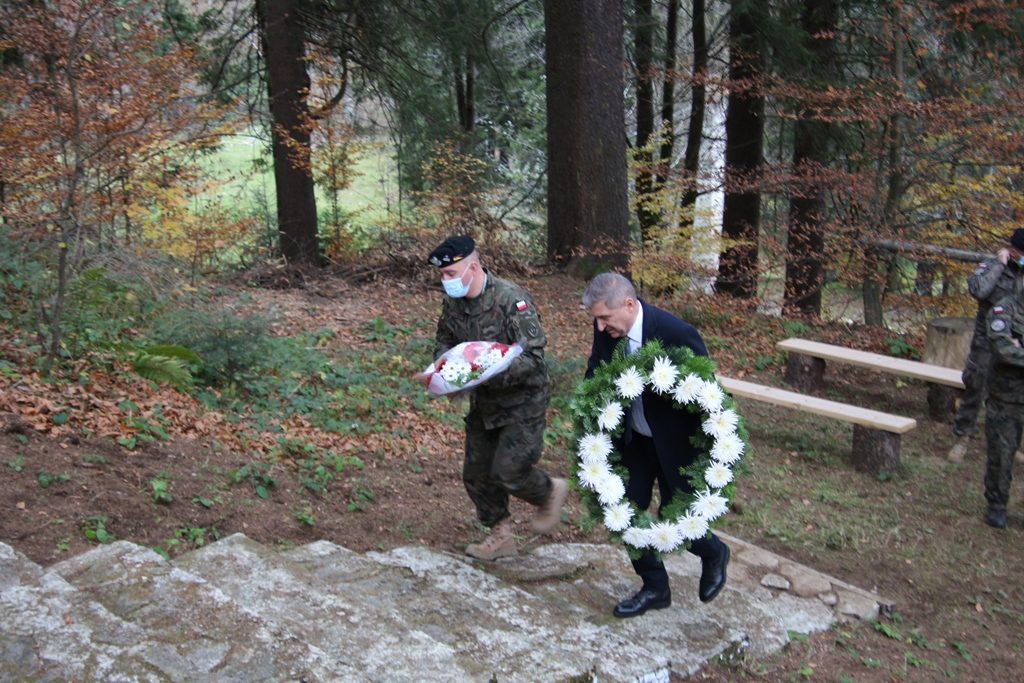
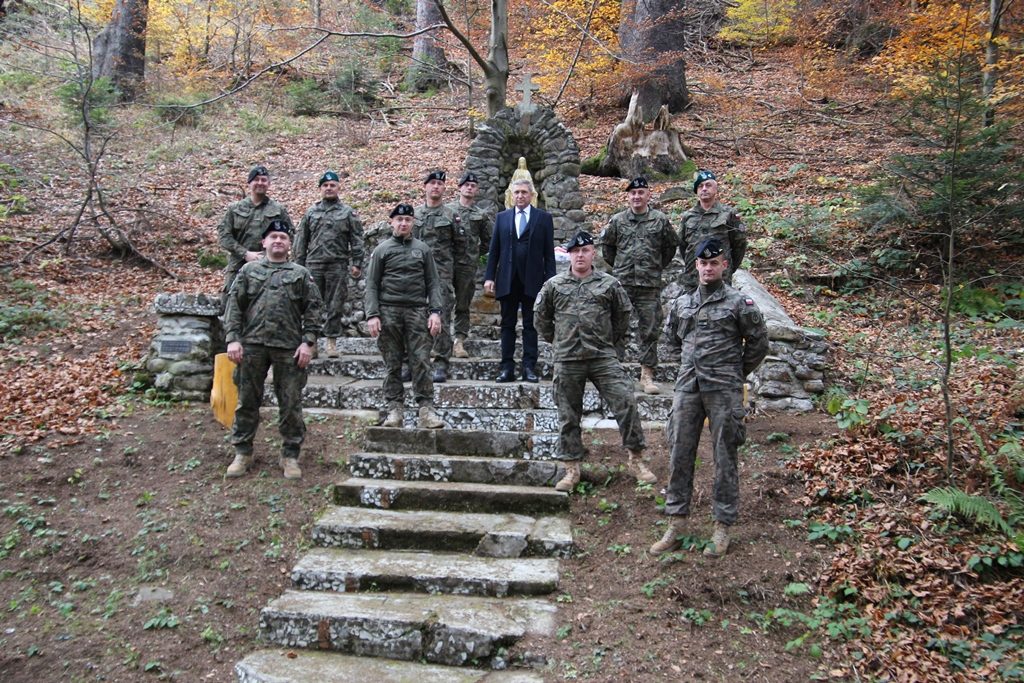
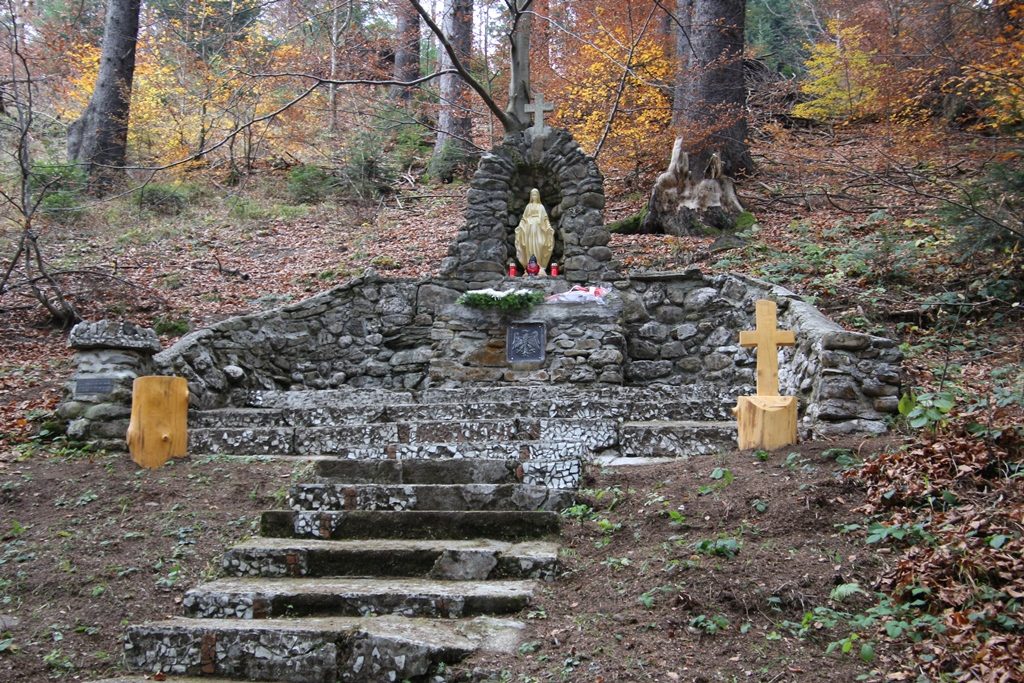
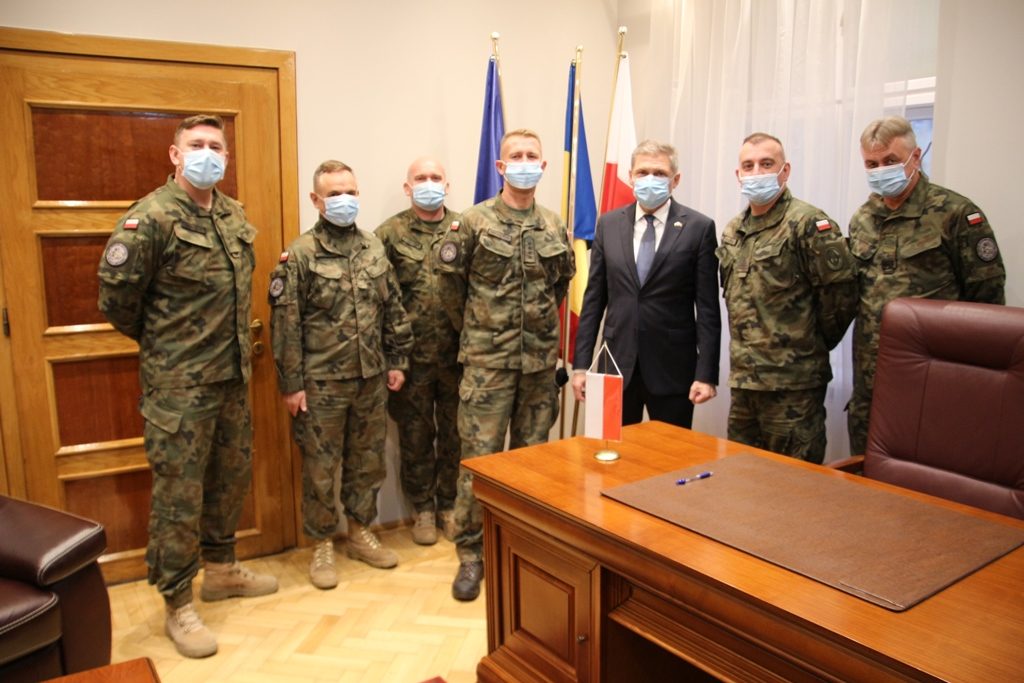
On the occasion of Independence Day from 11 November, honorary consul of the Republic of Poland in Brașov, Mr. Janusz Szalinski, together with the representatives of the Polish military contingent PKW VII present in Romania on an official visit to the Consulate in Brașov, together they paid homage and laid flowers and wreaths at the stone altar built in 1940 by polish refugees during World War II in Timișul de Sus, Brașov County.
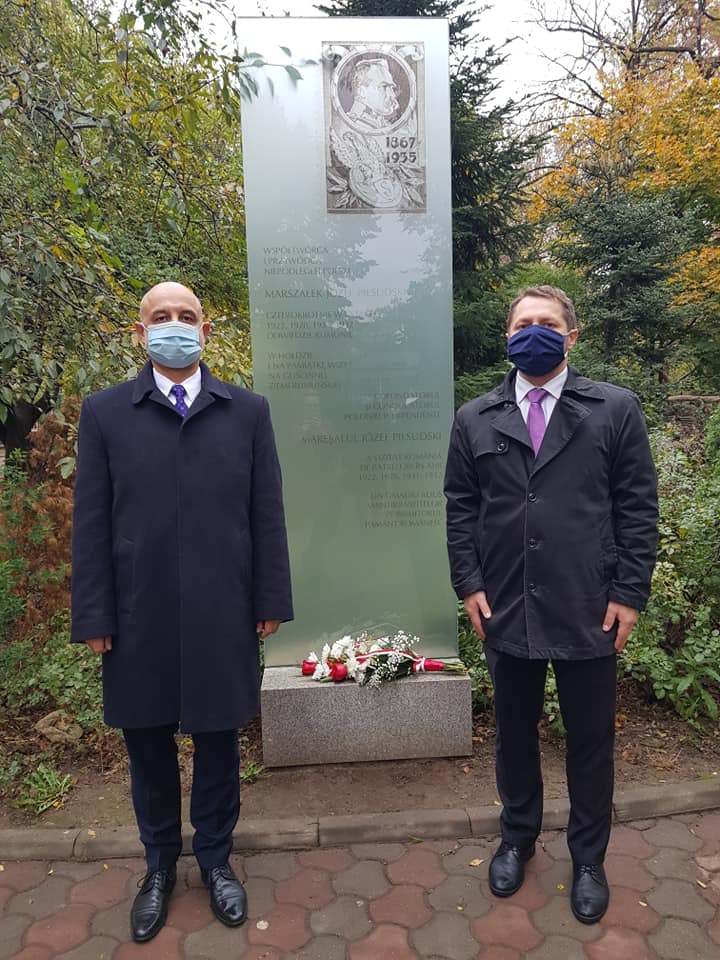
Also, the Ambassador of the Republic of Poland, Maciej Lang laid a wreath under the plaque commemorating the figure of Marshal Józef Piłsudski, which is located in Ioanid Park in the center of Bucharest.
Harvest Festival 2020
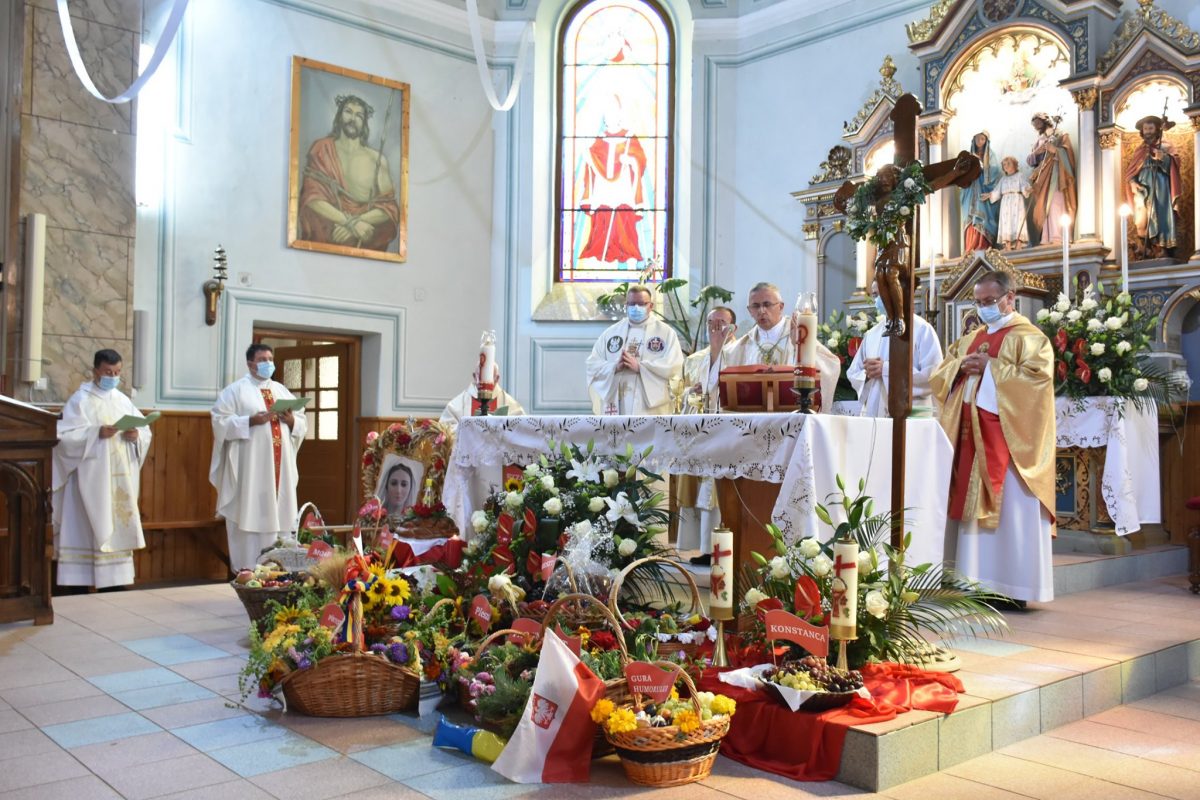
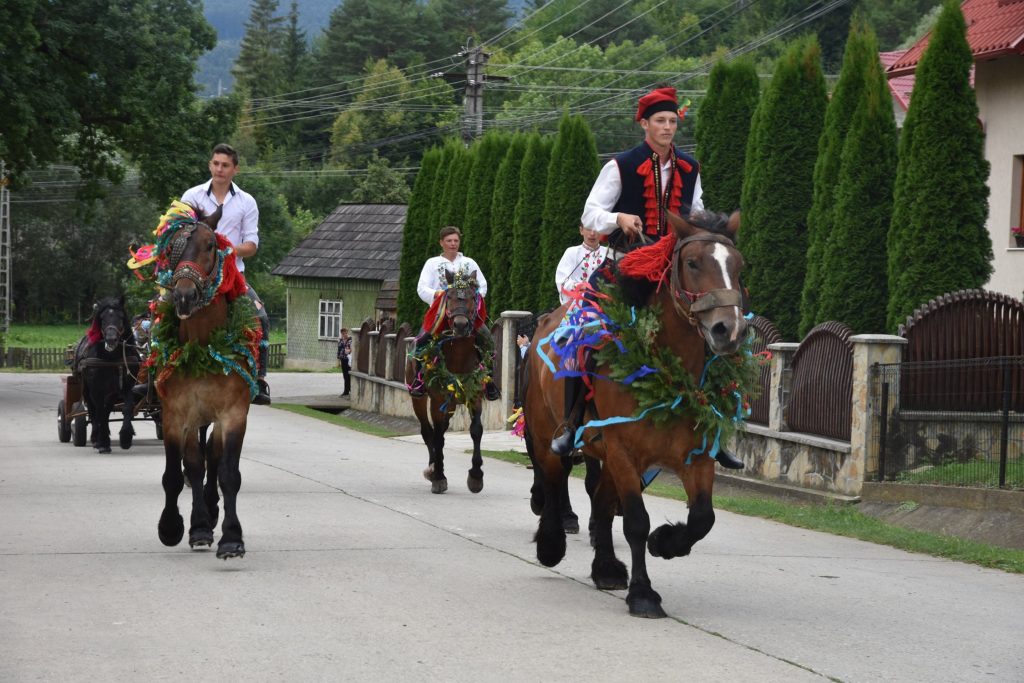
On 5 September, in Solonețu Nou took place the 15th edition of the polish harvest festival from Romania traditionally organized by the Union of Poles in Romania and the church "The Descent of the Holy Spirit". This year, due to the coronavirus pandemic and a restrictions of the authorities, only the Holy Mass could be celebrated , in the whose was sanctified, bread,wreaths,vegetables and fruits were offered at the church altar by the participating communities.
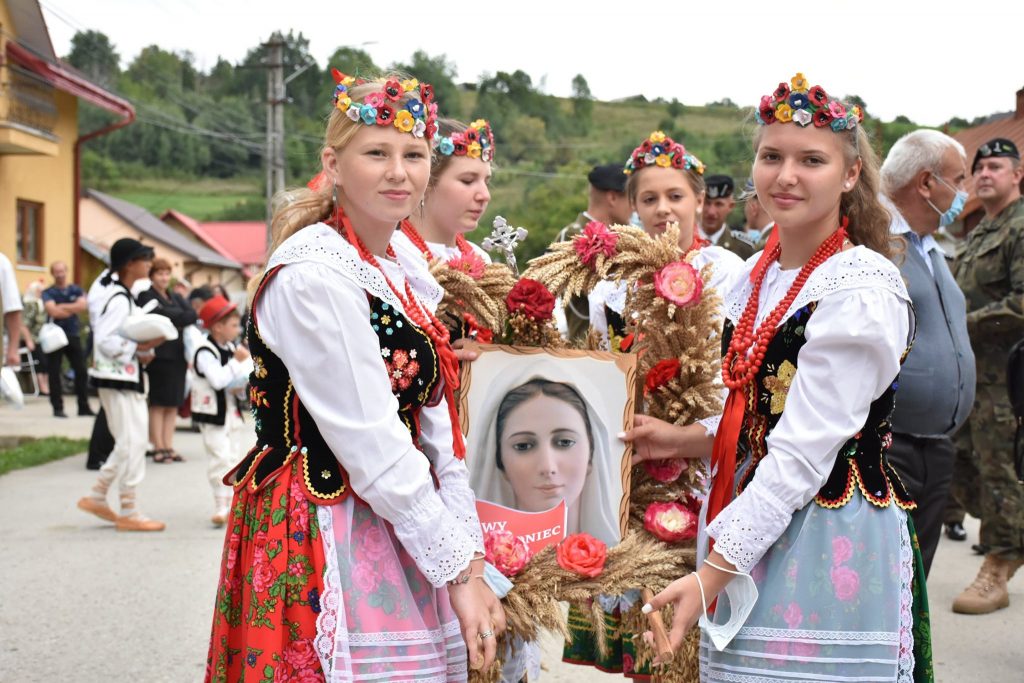
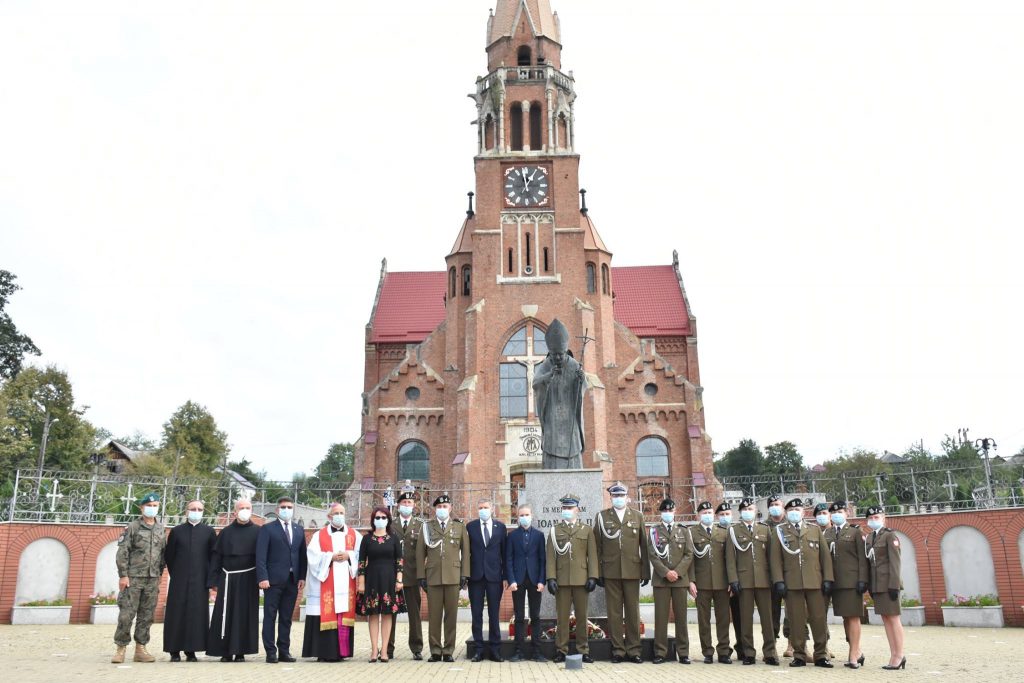
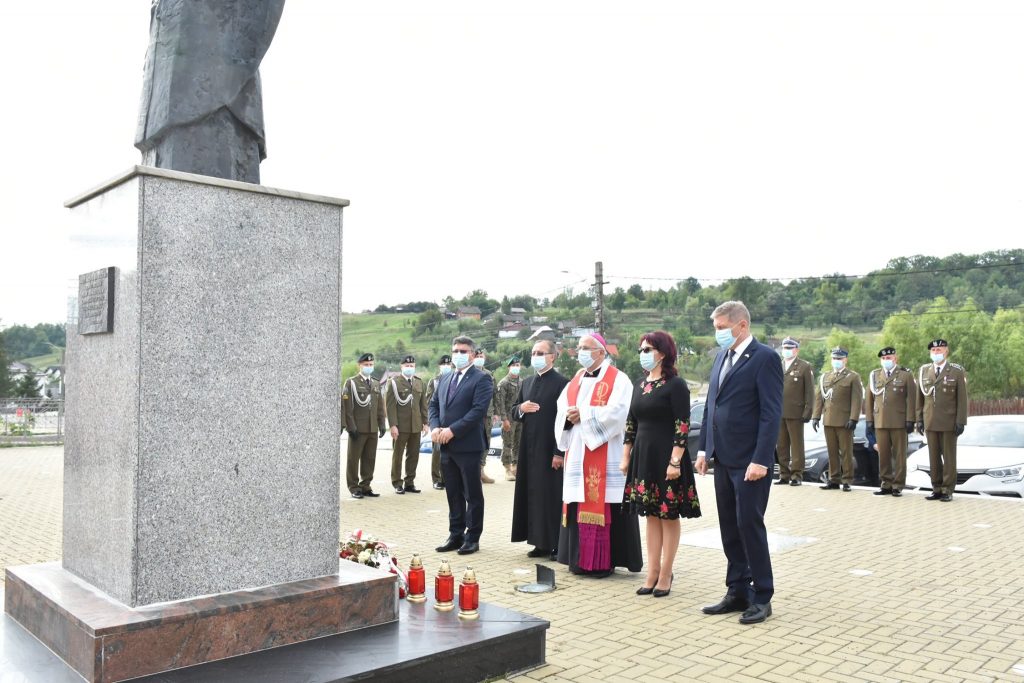
At this year's edition of the Harvest Festival by the representatives of the Polish Union in Romania, was present Janusz Szaliński, honorary consul of the Republic of Poland in Brașov, PS Iosif Păuleț, bishop of Iasi, priests from the deanery of Bucovina, the military delegation of the 7th exchange of the Polish Military Contingent stationed at Craiova, together with the Major Krzysztof Słowik.
Fruit Holidays are holidays of farmers who give thanks for the fruits gathered during the year. An inseparable element of these is the Holy Masses during which the loaves and wreaths are consecrated., as well as the presentation of gifts in the form of fruits.
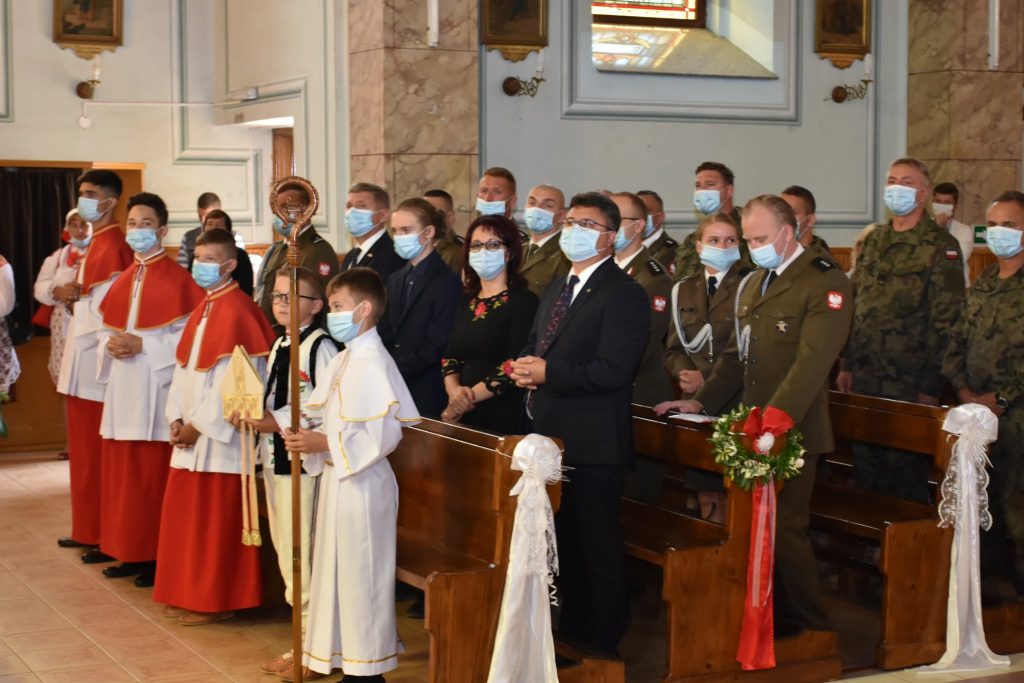
Since 2006 until last year, During the Road Festival, every locality in Romania where Poles live had a stand with specific fruits, products, own preparations, or dishes that were tasted by those present. Also, there were concerts and a picnic.
Photo: Union of Poles in Romania
100 th anniversary of the Battle of Warsaw
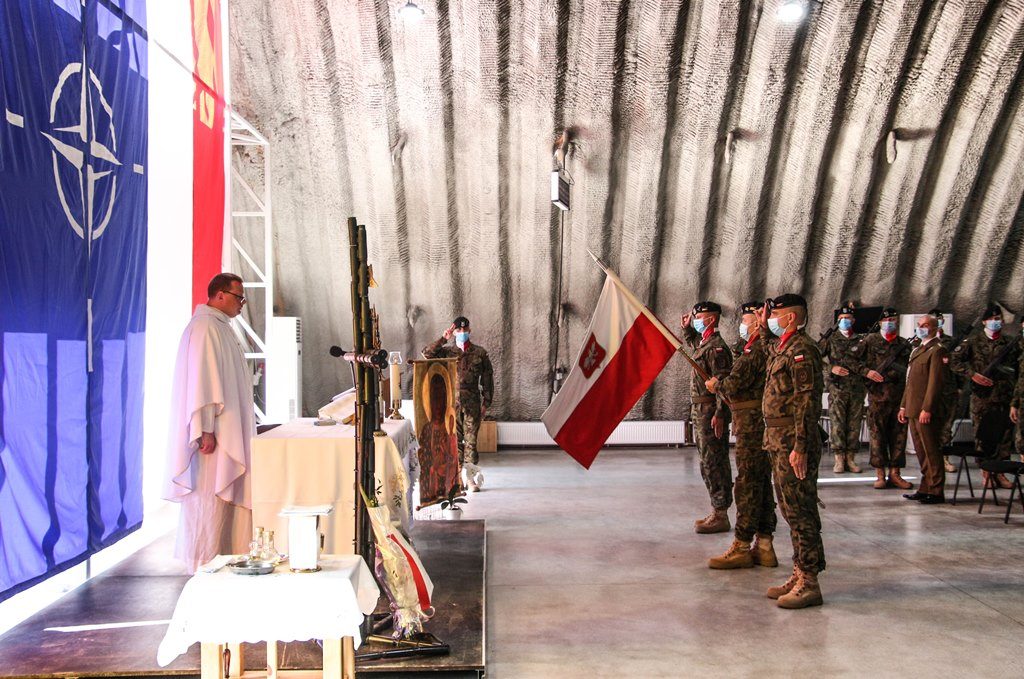
On 14 August, the soldiers of the polish military contingent in Romania celebrated the 100 years since the Battle of Warsaw and the Day of the Polish Armed Forces. The event began with a holy service officiated by the chaplain, Major Tomasz Szefliński. The ceremony was attended by representatives of the polish embassy in Romania, the honorary consul of Poland in Brașov, Mr. Janusz Szalinski, representatives of local government authorities and soldiers of the Southeast Multinational Division, led by Commander. Cristian Dan |.
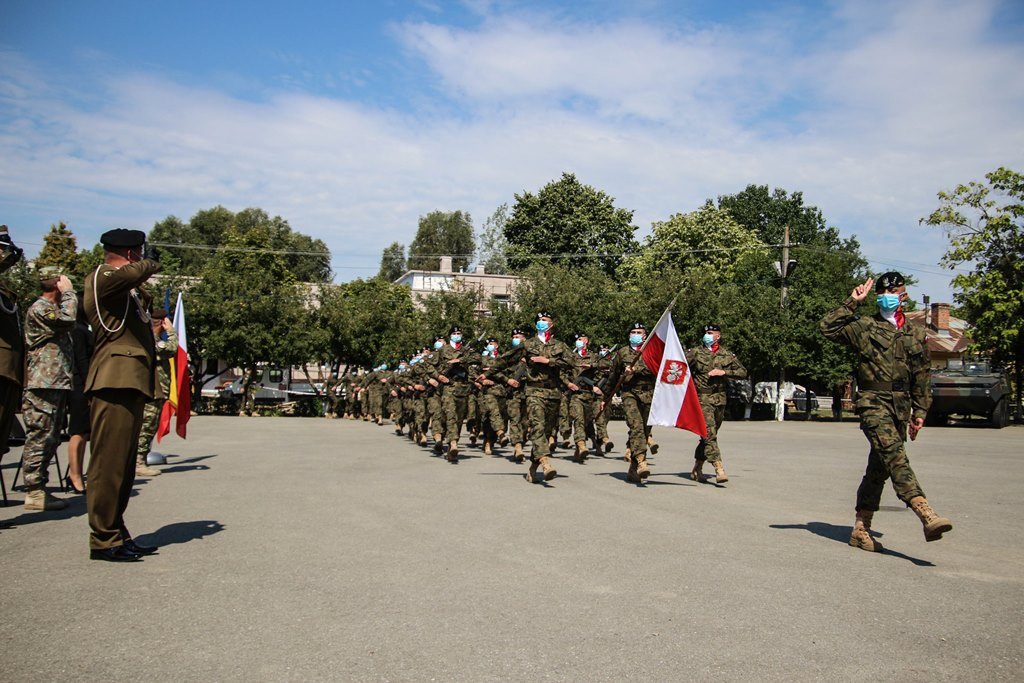
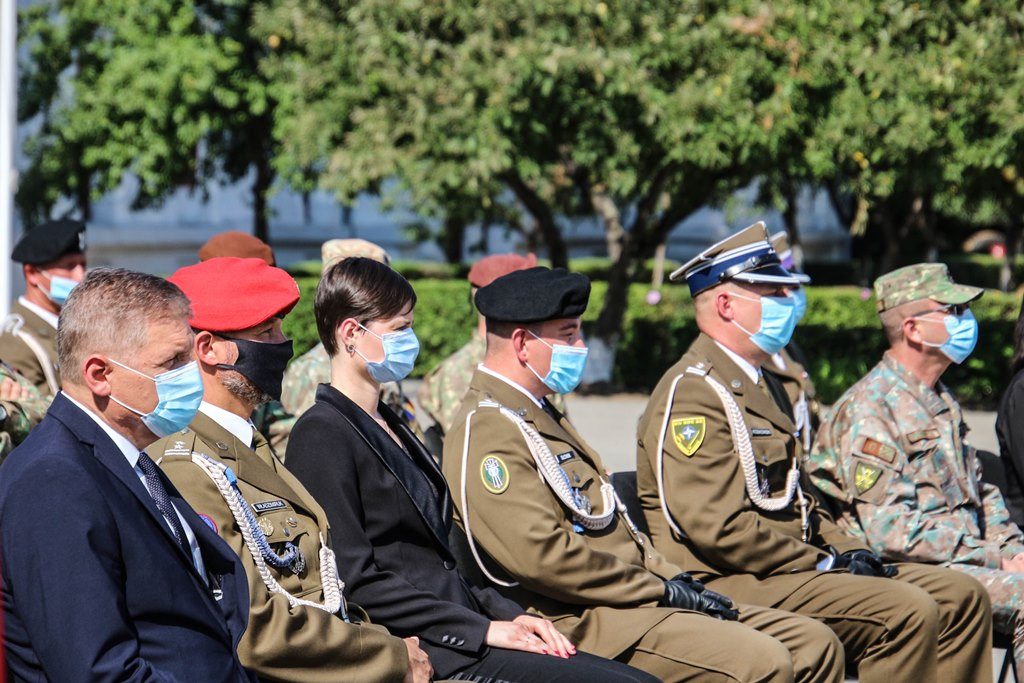
On the hundredth anniversary of the Battle of Warsaw, known as “The Miracle on Vistula ", the commander of the polish military contingent, Major. Krzysztof Słowik, handed over to the soldiers certificates to a higher rank, medals and awards for their exemplary service.
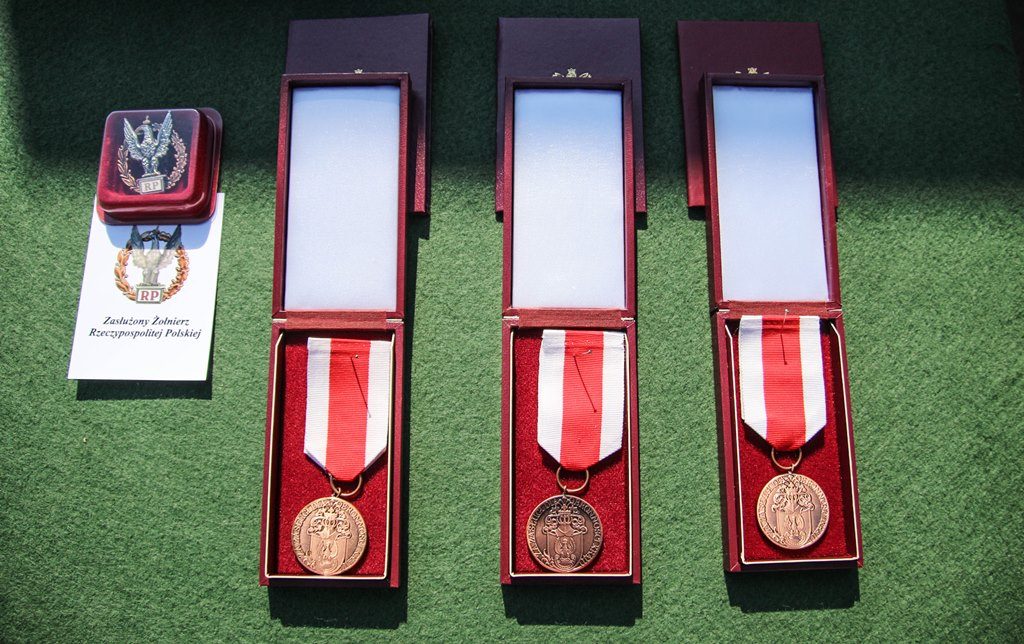
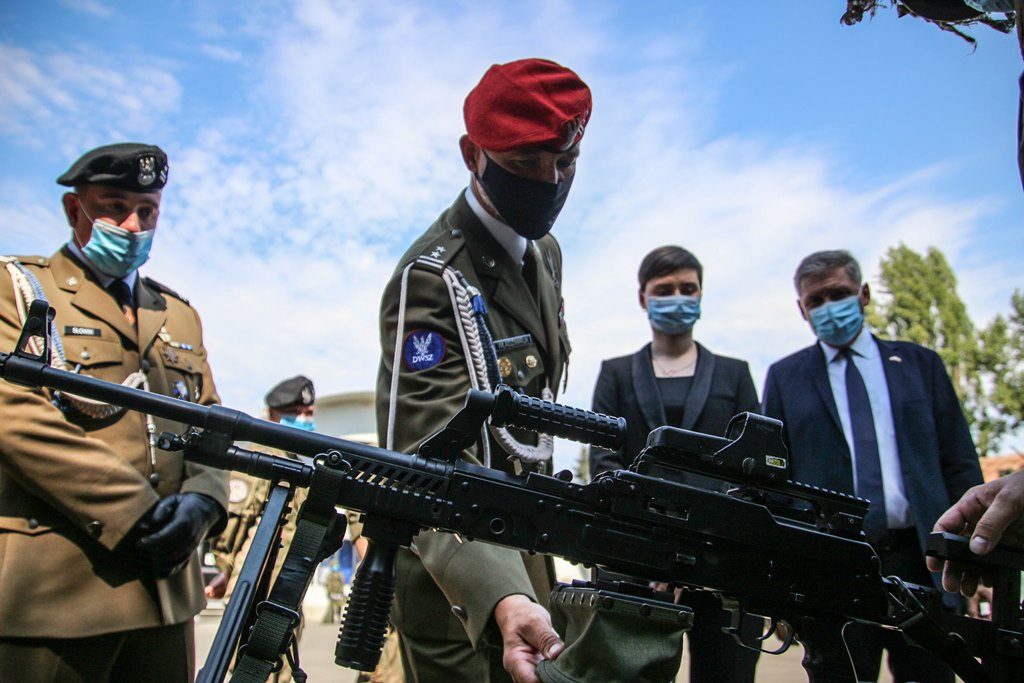
Further, The Call for Appeal was subsequently read remember, and the ceremony ended with a parade attended by all sub units assembled at the event. On the last point of the day, flowers were laid by representatives of the polish contingent but also of the embassy of poles in Bucharest and Brasov at the monument commemorating refugees poles of World War II, at the cemetery in Craiova.
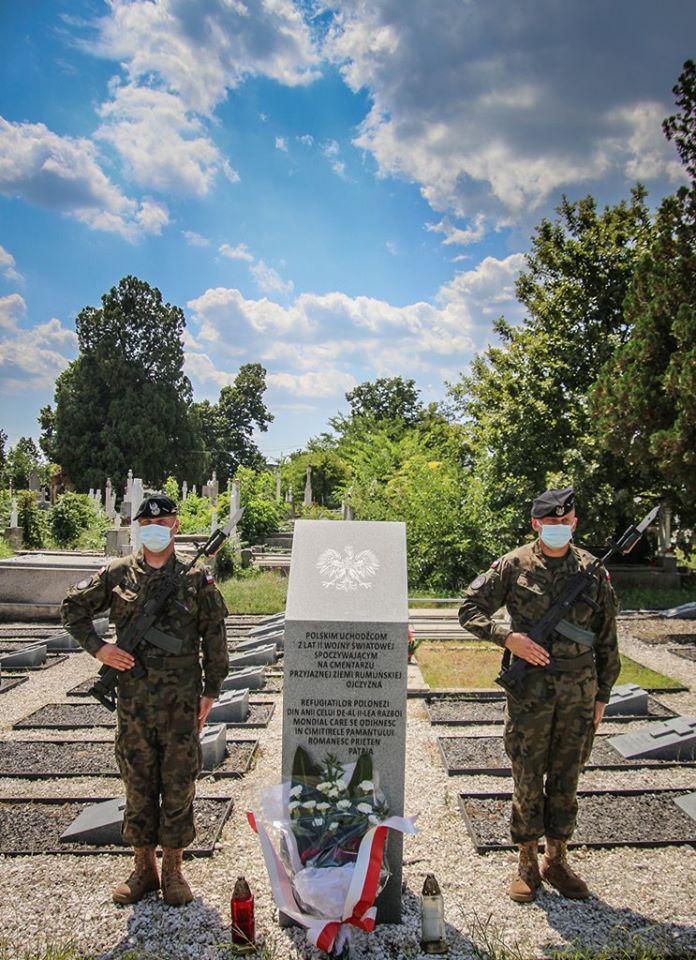
The Battle of Warsaw, also known under the name of the Vistula Miracle, it was a series of battles that led to a Poland's decisive victory in 1920, during the Polish-Soviet War, broke out shortly after the end of the First World War.
Photo: st. agent. Tomasz Kochanowski.
The third honorary consulate of Poland was opened in Romania, in Timisoara
On 6 August 2020, The Honorary Consulate of the Republic of Poland in Timișoara was officially opened . The consulate will be headed by the honorary consul, Mr. Adrian Albu.
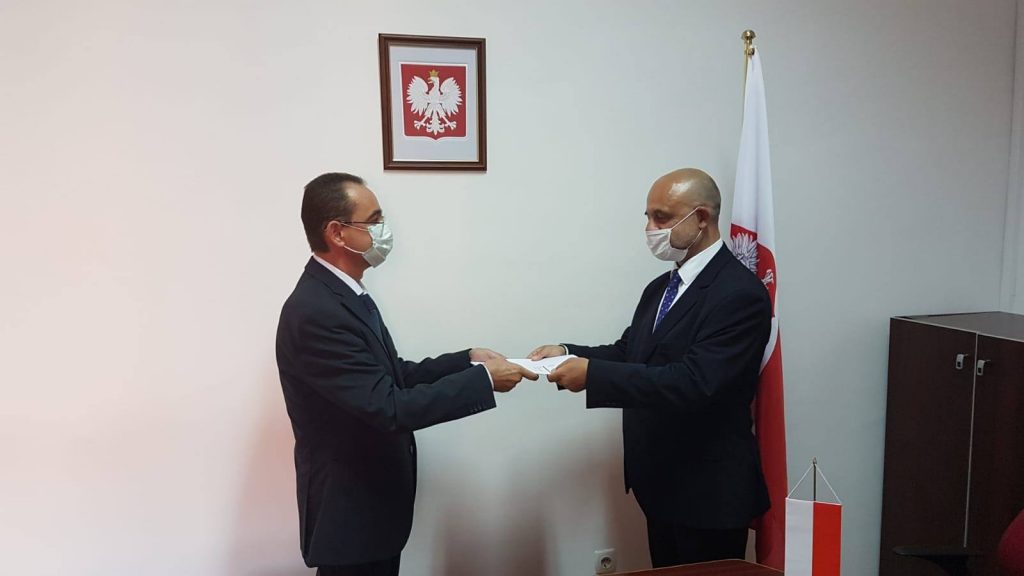
The Ambassador of the Republic of Poland, Maciej Lang, inaugurated the activity of the Honorary Consulate of the Republic of Poland in Timisoara. The ceremony was attended by the Consul of the Republic of Poland in Bucharest, Jarosław Szkirpan, and the Honorary Consul of Poland, Adrian Albu.
On this occasion, the ambassador Maciej Lang met with the romanian local authorities – the prefect of Timiș county, Liliana Oneț but also with the president of the local council, Călin Dobra, with whom he discussed the areas of cooperation in the region.
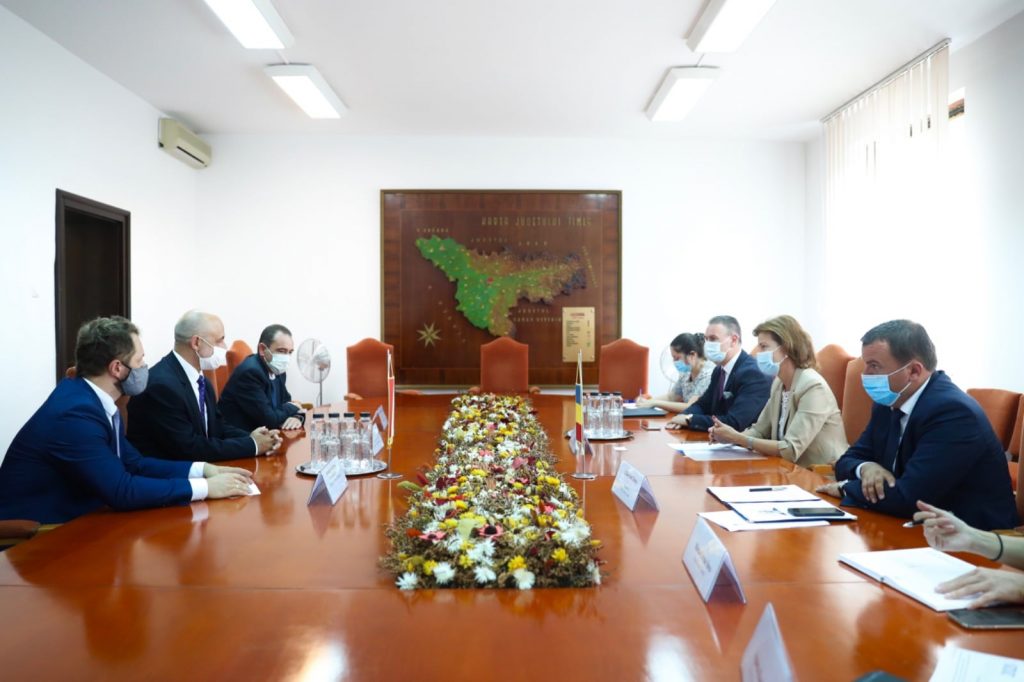
The honorary consulate in Timișoara is the third polish mission of this type , Poland has two more honorary consulates in Romania, in Brașov, Cluj Napoca, while the Embassy of Poland is based in Bucharest.