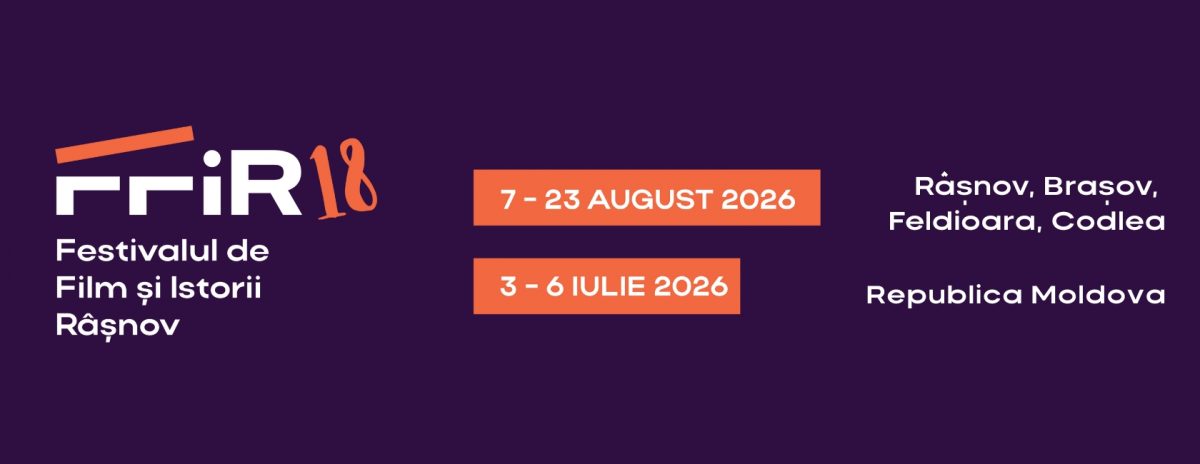
Polish cinematography – Râșnov Film and Histories Festival 2026

As part of the Râșnov Film and History Festival 2026, you can see a series of screenings signed by the great polish director Andrzej Wajda, one of the most important european filmmakers.

Considered an essential figure of european auteur cinema, Wajda deeply influenced the model in which the film approaches history and collective memory, being appreciated for his artistic strength and civic commitment. Throughout his career, has been awarded numerous international awards, including an honorary Oscar Award for the entire activity.

Will ne screened films such as "Katyn Forest"(Katyń) ; "Iron Man" (Człowiek z żelaza) ; "The Marble Man" (Człowiek z marmuru) ; "Man of Hope" (Wałęsa. Człowiek z nadziei) - memorable works about history, the society and memory of Poland.

On the official website ( www.ffir.ro ) find more information and the complete program of the Râșnov Film and History Festival 2026

See you at the movie!
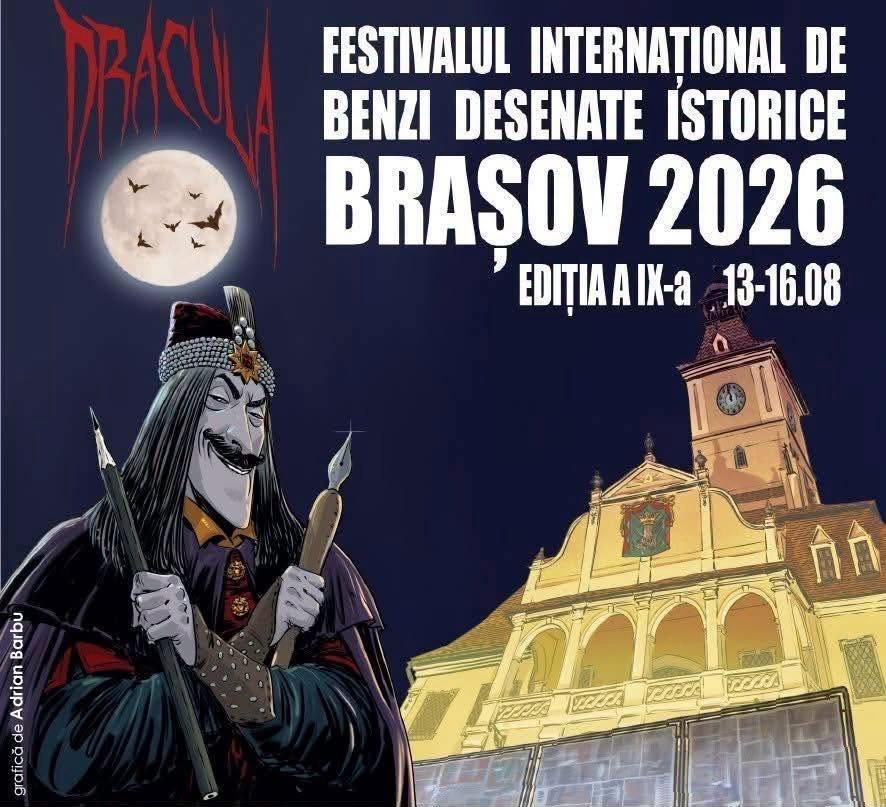
Polish exhibition at the Brasov Historical Comics Festival 2026

Between 13 and 16 August, within the Brașov Historical Comics Festival, it will be possible to visit the exhibition "Polish Stories in Comics", which brings together the works of 25 by polish artists. The exhibition highlights the diversity and richness of historical polish comics and offers a unique insight into history through art.

Known heroes and forgotten characters, real events, myths and new perspectives, all turned into pages full of color and imagination. From realistic recreations to surprising artistic styles, the exhibit shows that comics can tell stories that stay with you.

 "Polish Stories in Comics" invites you to discover Poland through illustrated stories that combine history, legends and everyday life in an engaging way.

If you like illustrations, comics or simply want to see history from a different angle, we will see you you at the festival!

Event organized by the Brașov County Museum of History and the Polish Institute in Bucharest.

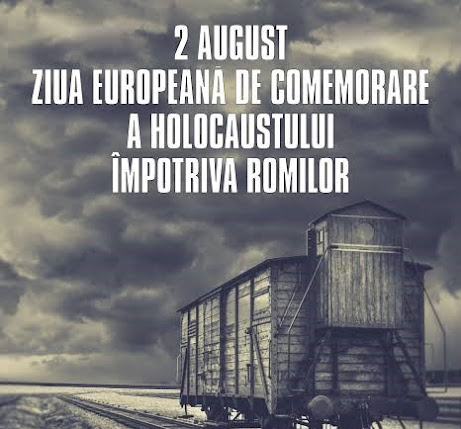
European Roma Holocaust Memorial Day (Samudaripen)

Every year, at 2 August, Europe commemorates the victims of the Holocaust against the roma. This day is dedicated to the memory of the hundreds of thousands of roma who were persecuted and killed by the nazi regime and its allies during the Second World War.

Date of 2 August was chosen because, on the night of 2 to 3 August 1944, the nazi authorities liquidated like this – the so-called "camp of roma families" from the concentration and extermination camp Auschwitz II-Birkenau. Approximate 4.300 of women, men, children and elderly were sent to the gas chambers and killed in one night. This episode represents one of the most tragic moments of the genocide against the roma.

During the Second World War, between 220 and 500.000 of roma in Europe were victims of racial persecution, deportations, forced labor, hunger, medical experiments and executions. In many countries, this community were almost destroyed, and the survivors remained for a long time without recognition of their sufferings.

The Holocaust against the roma began to be fully recognized internationally, in the year 2015, when the European Parliament officially designated the date of 2 August as the European Holocaust Remembrance Day against the Roma, to keep alive the memory of the victims and to promote education, respect for human rights and the fight against racism and crime.

Preserving the memory of the Holocaust against the roma represents a moral and historical duty. Through education and knowledge of the truth, the generations of today and tomorrow can contribute to preventing the repetition of such tragedies and to the consolidation of a Europe based on solidarity, tolerance and mutual respect.

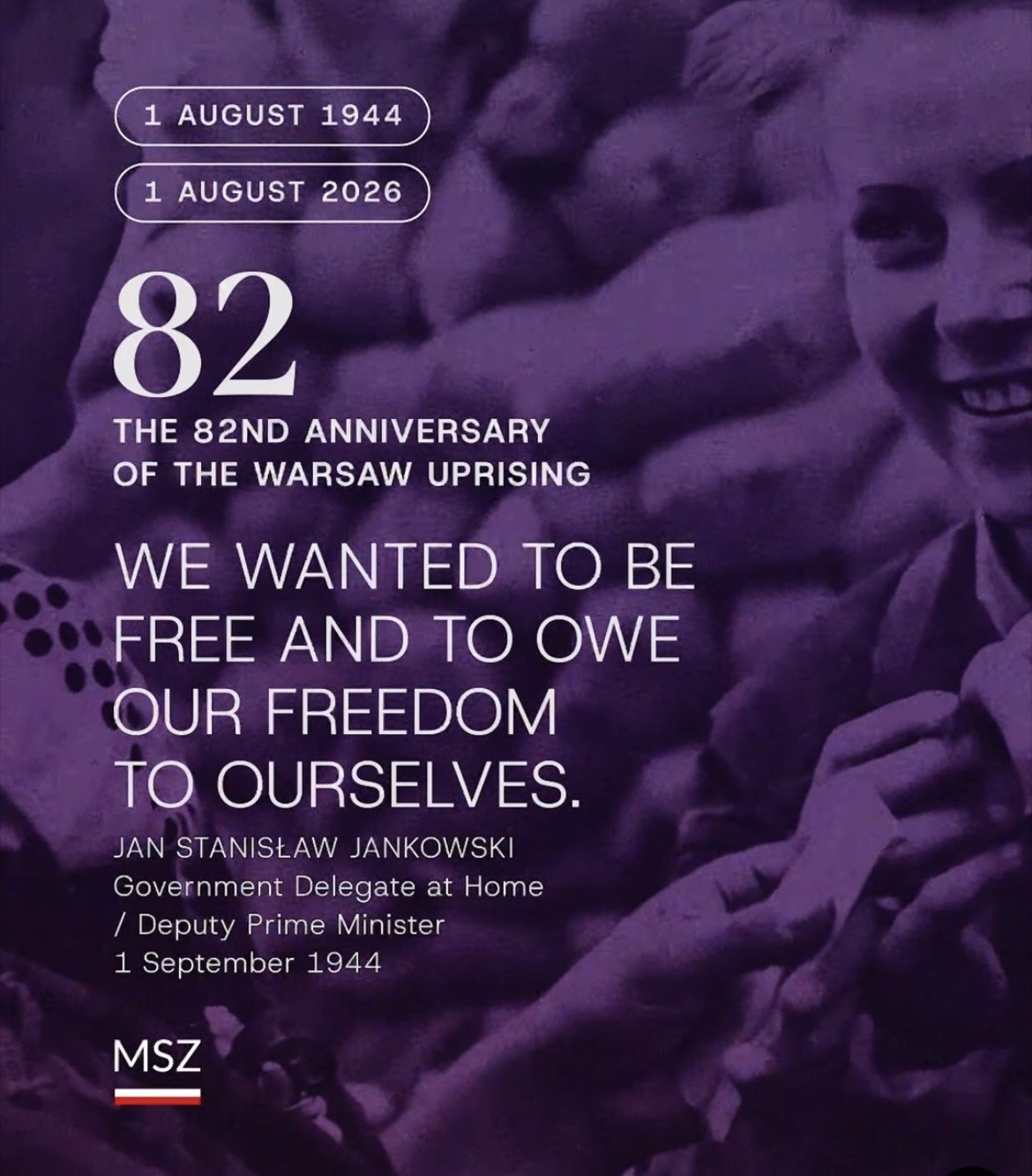
The Warsaw Uprising, 1 st of August 1944

On 1 st of August, poles commemorate the outbreak of the Warsaw Uprising, one of the most important and dramatic moments in the history of Warsaw.

The time 17:00, known as "W Hour" exactly when the fight started, sirens are ringing all over Warsaw. For one minute, the city comes to a complete stop: cars pull on the right side, public transport stops, pedestrians remain motionless, and people keep a moment of silence in memory of the heroes and the victims of the insurgency.

The insurrection began at 1 August 1944, when the polish resistance tried to liberate the capital from nazi occupation. The fighting lasted 63 for days and ended with heavy losses: approximate 16.000 by the resistance fighters and up to 150.000 – 180.000 of civilians lost their lives, and the greater part of the city was destroyed.

For poles, 1 August is not just a historical commemoration, but a symbol of courage, sacrifice and the desire for freedom. The moment of silence at time 17:00, is one of the most emotional collective gestures of respect and memory in Europe.

The visit of the President of Poland to Brașov

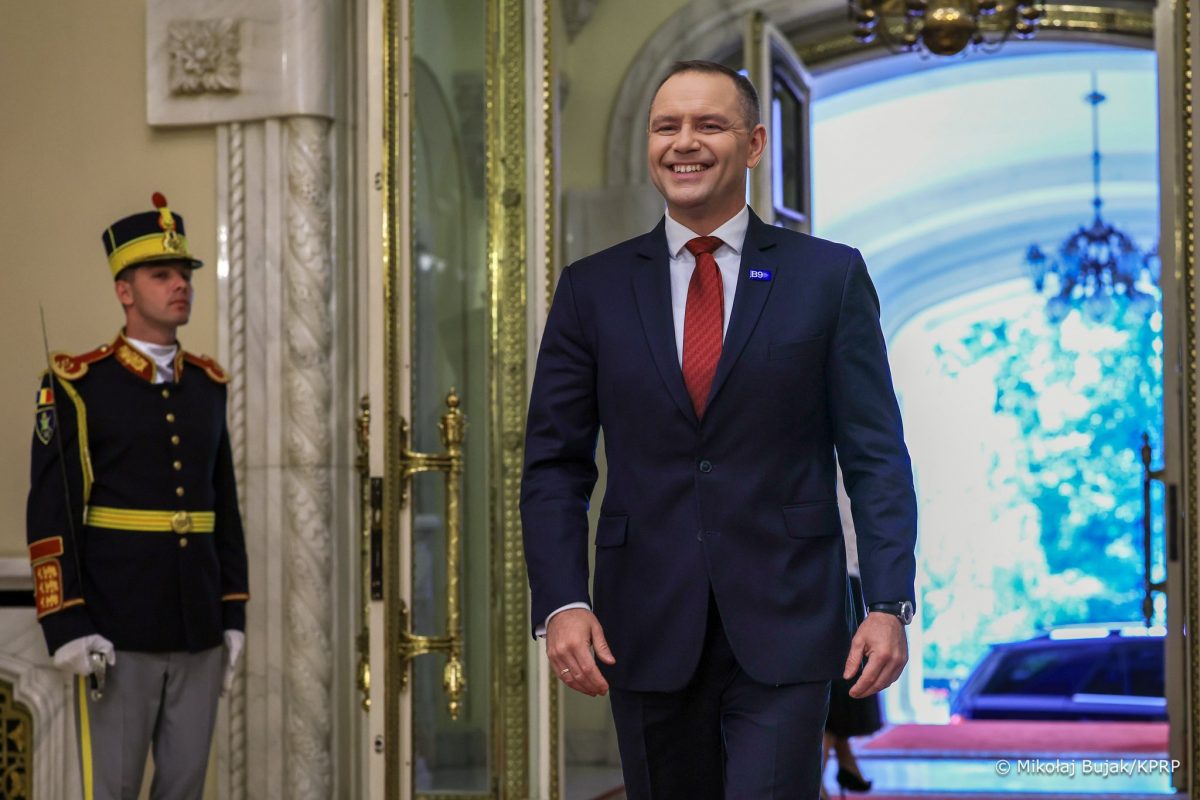
The President of Poland, Karol Nawrocki, arrived on Tuesday, 12 th of May, in Bucharest on board a Boeing 737 of the Polish Air Force, to participate in the B9 summit that takes place at the Cotroceni Palace on 13 th of May 2026. The President of Poland is co-hosting the summit, considering that Romania and Poland are the founders of this initiative. The event brought together leaders and high-ranking officials from NATO's eastern flank and the Nordic countries, with transatlantic security on the agenda, defense strengthening and continued support for Ukraine.

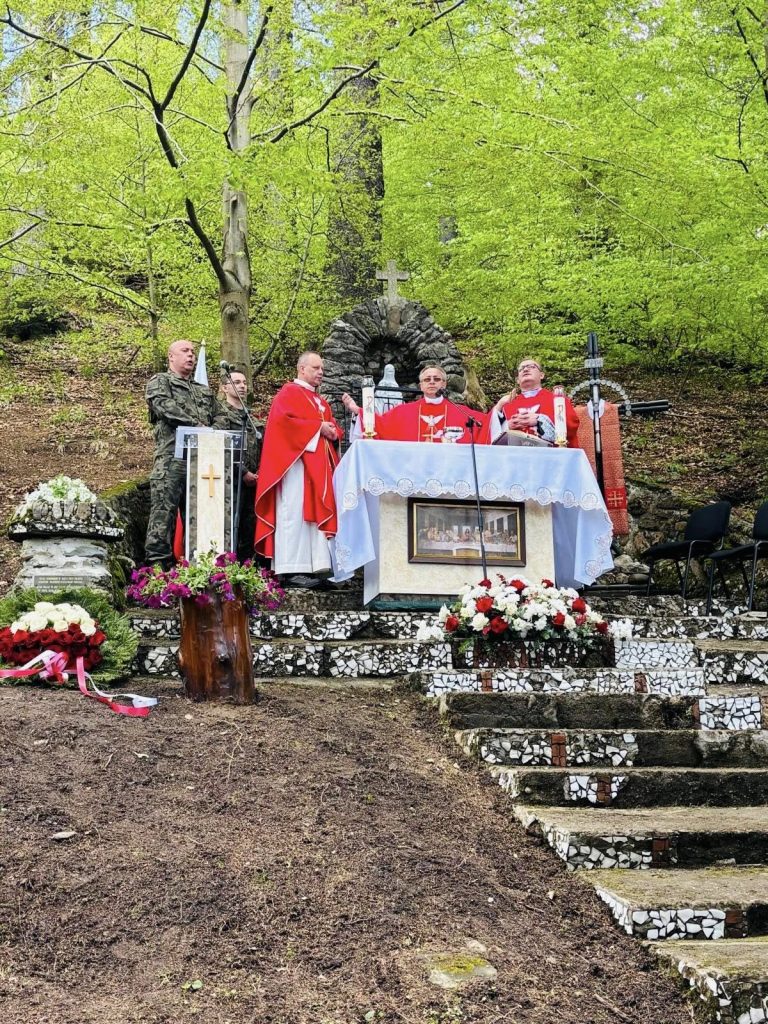
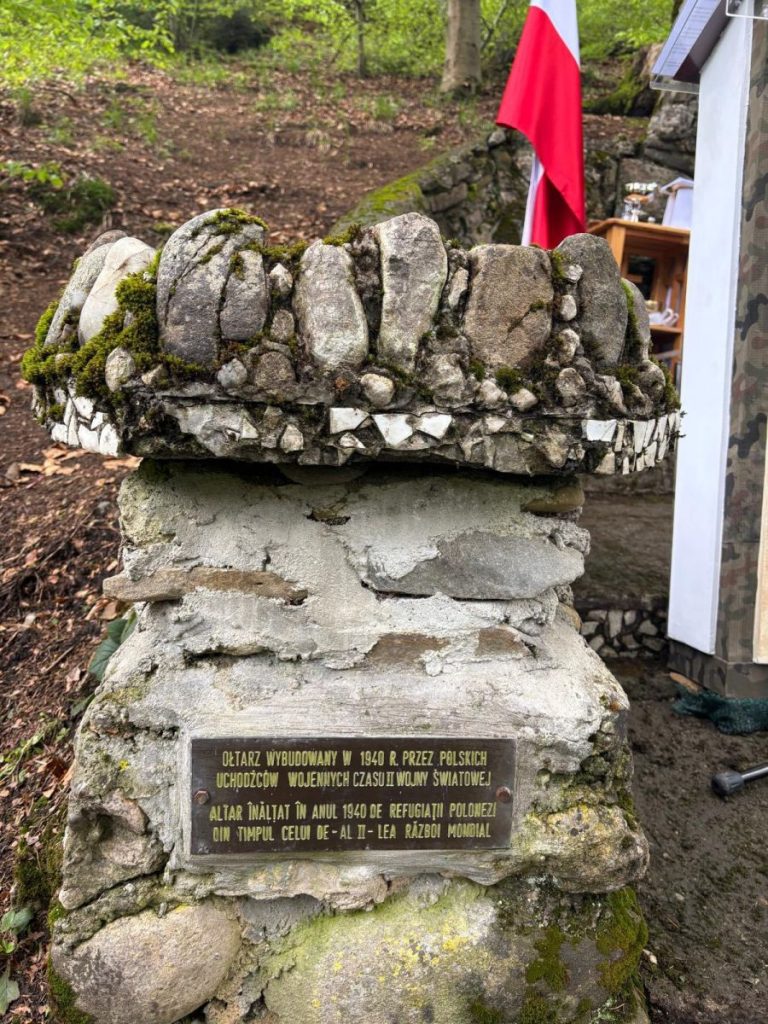
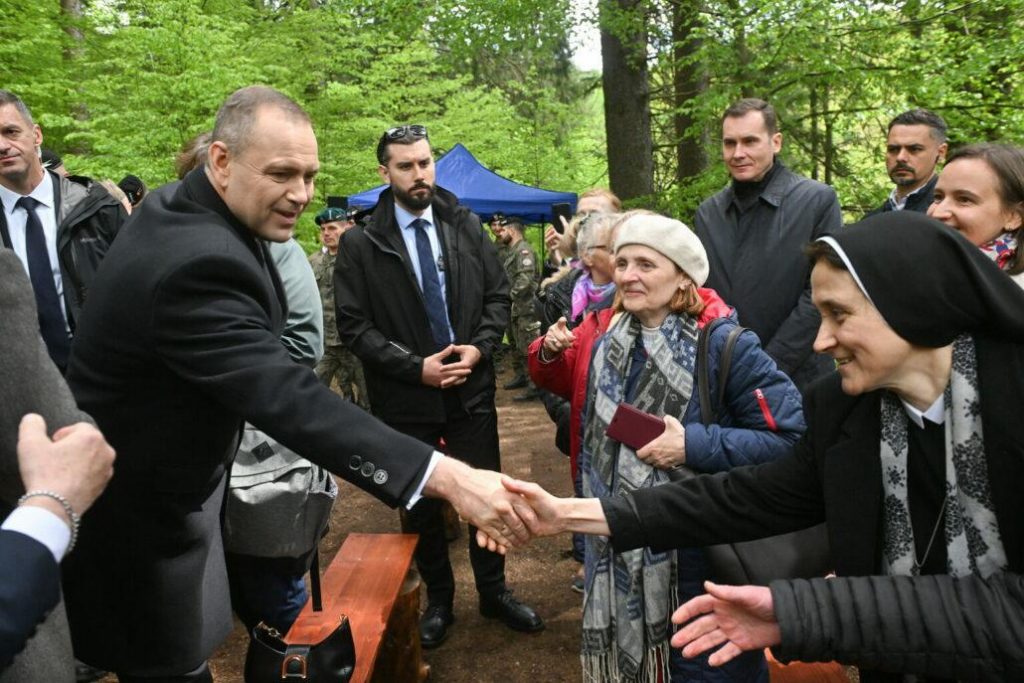
After the conclusion of the B9 summit in Bucharest, the president's delegation will head to Brașov for 2 days and will visit Bran Castle, The bear sanctuary in Zârnești, following to then participate alongside representatives of the polish communities in Brașov, Bucovina, Bucharest, as well as the command and soldiers of the Polish Military Contingent stationed in Craiova, at the Holy Liturgy celebrated in the open air, at the forest altar in Timișu de Sus, near Brasov, build by the soldiers of the Polish Army, refugees in Romania in the year 1939.

After visiting the mentioned objectives and the meetings with Brasov officials, the presence of the president of Poland in Brasov will end, Thursday,14 May, with the departure of the presidential aircraft of the Republic of Poland from Brasov Ghimbav International Airport to Warsaw.

Europe Day – 9May

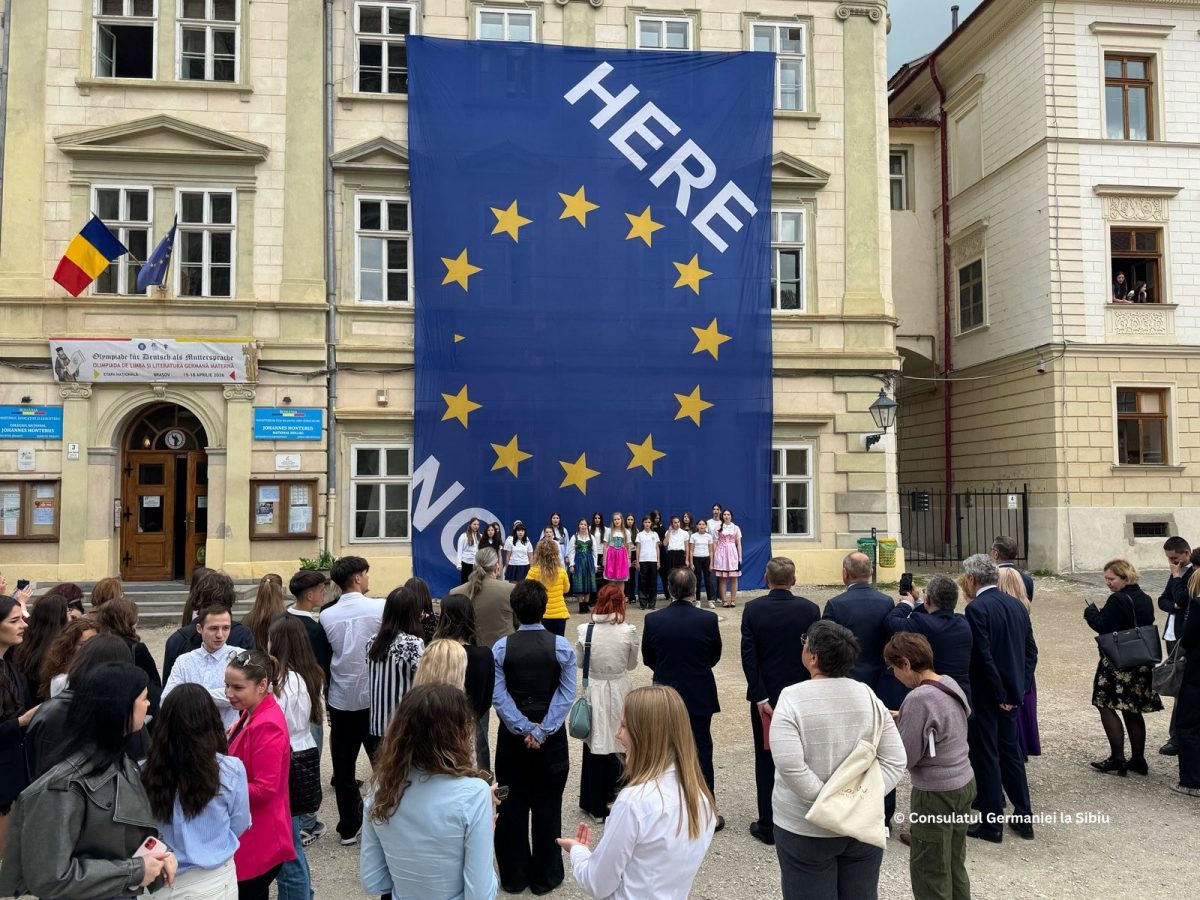
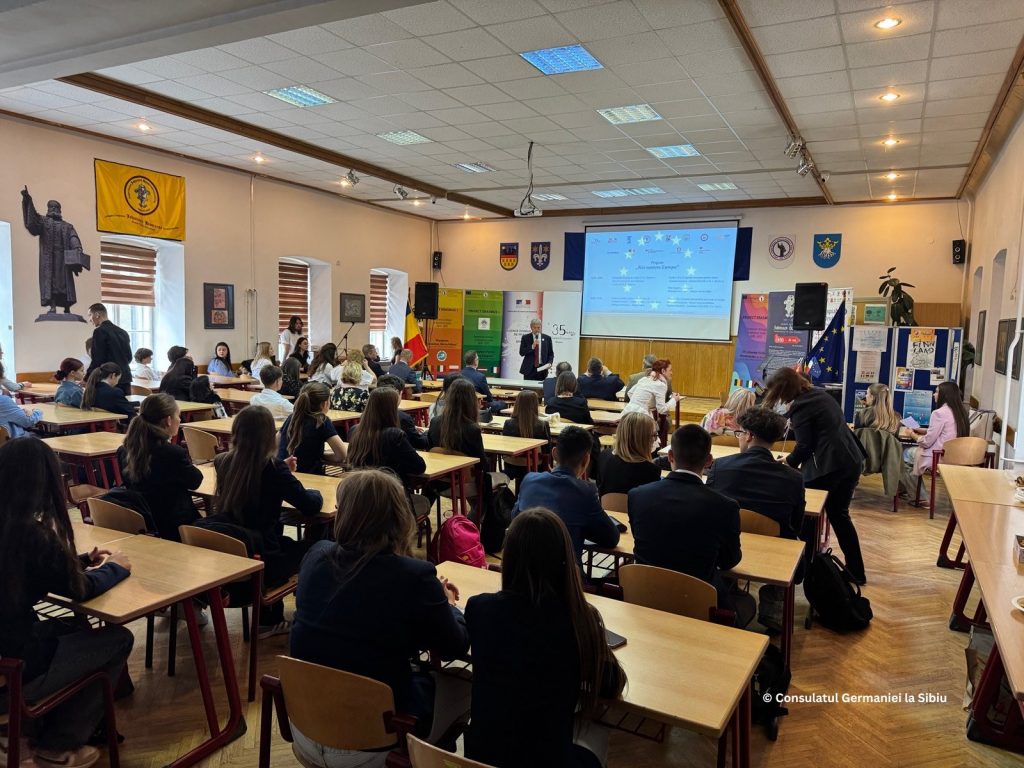
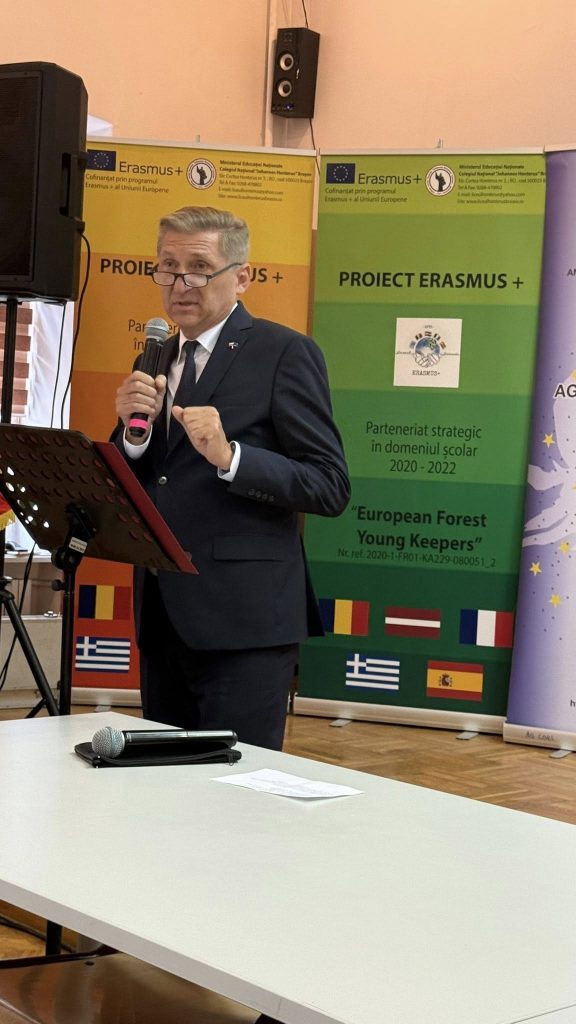
On the occasion of Europe Day, in Brașov, within the Johannes Honterus High School, in the presence of the German consuls, France, Italy and Poland, high school students Johannes Honterus High School, Andrei Șaguna National College, National College Dr. Ioan Meșota, Unirea National College and Nicolae Titulescu National College have prepared an extraordinary program, full of emotion, energy and talent through political speeches, through music, culture and enthusiasm.

Europe Day, has a special meaning for Poland, marking not only European peace and unity, but also the confirmation of its belonging to western values ​​after decades of soviet influence. Poland joined the European Union in 1 th of May 2004, so that the month of May is seen as a period of celebration of the European identity and the benefits brought by the membership of the European Union. This date, symbolizes the success of joining the value space, European economic and political, a historical desire of the Polish people to return to “the european family”.

In Poland, the beginning of May is extremely busy with patriotic holidays: 1May: Work Day; 2 May: Polish Flag Day and Polish Diaspora Day; 3 May: Constitution Day of 1791, an extremely important national holiday considered the first modern constitution in Europe and the second in the world, after that of the United States. Thus, 9 it also comes as a complement to this patriotic spirit, placing Poland as an important actor within the European Union.

Europe Day,  it is of overwhelming importance in the contribution it can make to modern civilization, an organized and active Europe, indispensable for maintaining peaceful relations.

National Day of Poland 2026

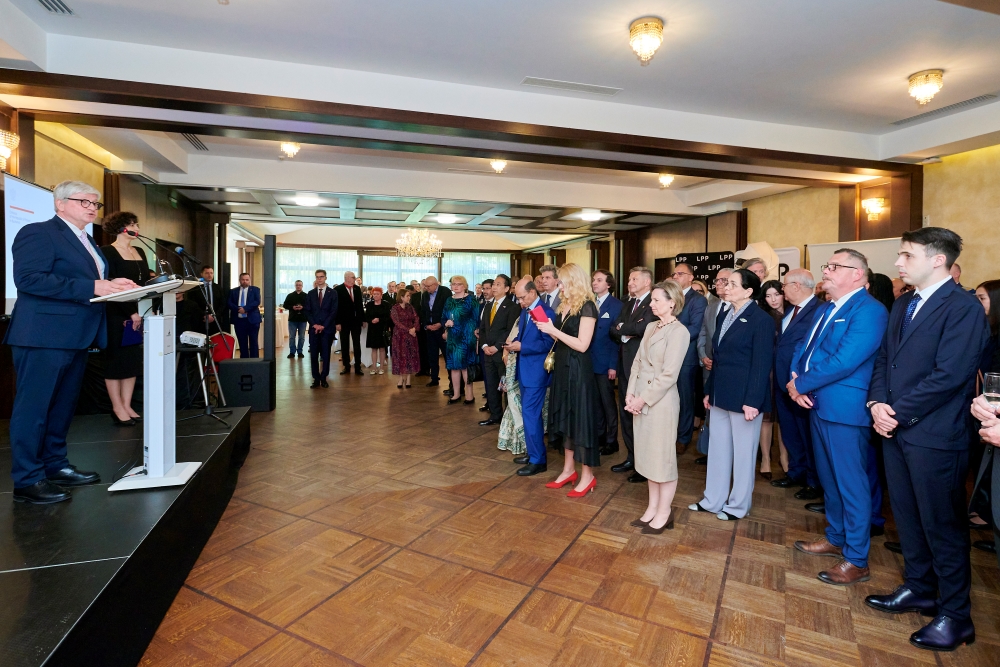
On 6 th of May, at the Diplomatic Club in Bucharest, the Embassy of the Republic of Poland in Bucharest with the invited guests celebrated together the national day of Poland - the anniversary of the adoption of the Constitution of 3 May 1791, the first modern constitution in Europe.

Responded to the invitation, among others, Her Royal Highness Princess Sofia and Secretary of State from the Ministry of Foreign Affairs of Romania Clara Staicu, representatives of the romanian authorities and the polish community in Romania such as, the president of the Union of Poles in Romania, deputy Ghervazen ​​Longher with his wife, as well as the Honorary Consul of Poland in Brașov, Mr. Janusz Szalinski.

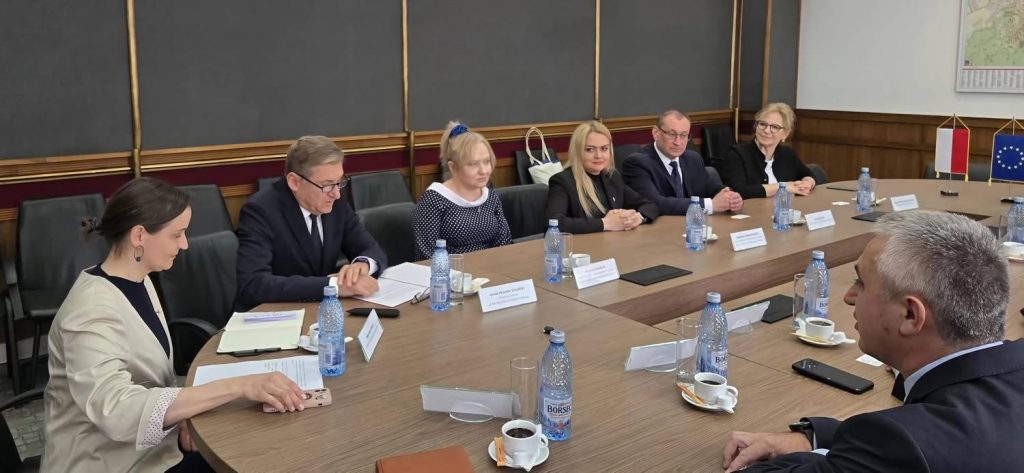
A first official meeting between the delegations of the municipalities of Krakow and Brasov

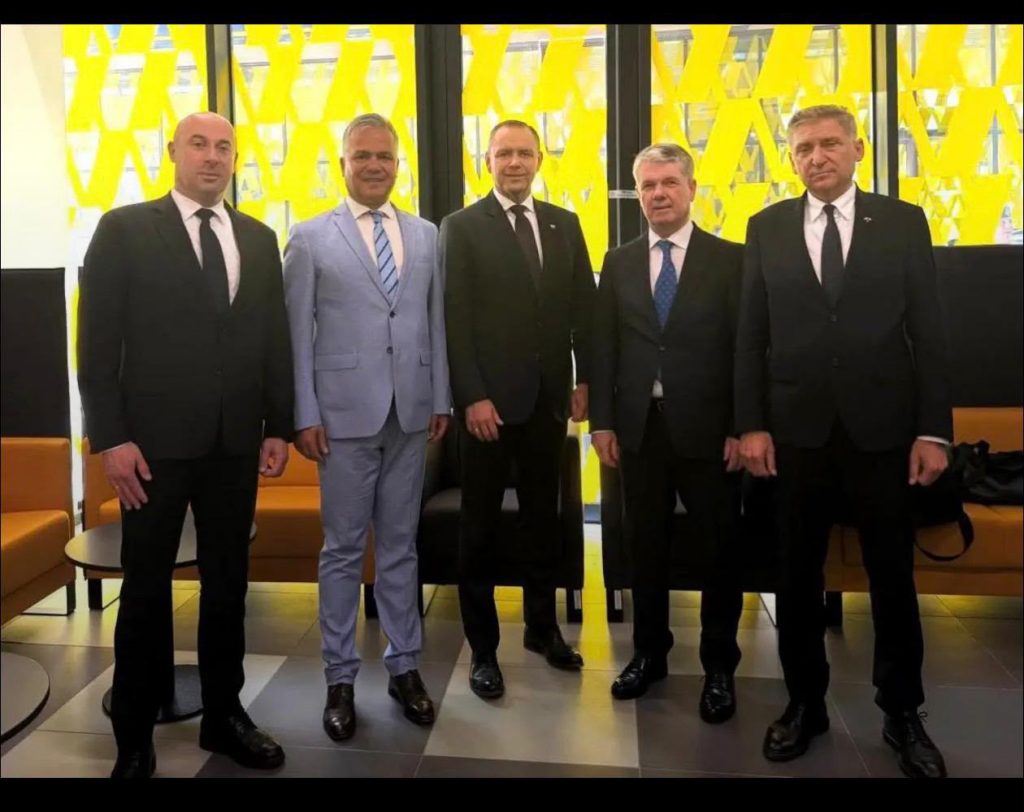
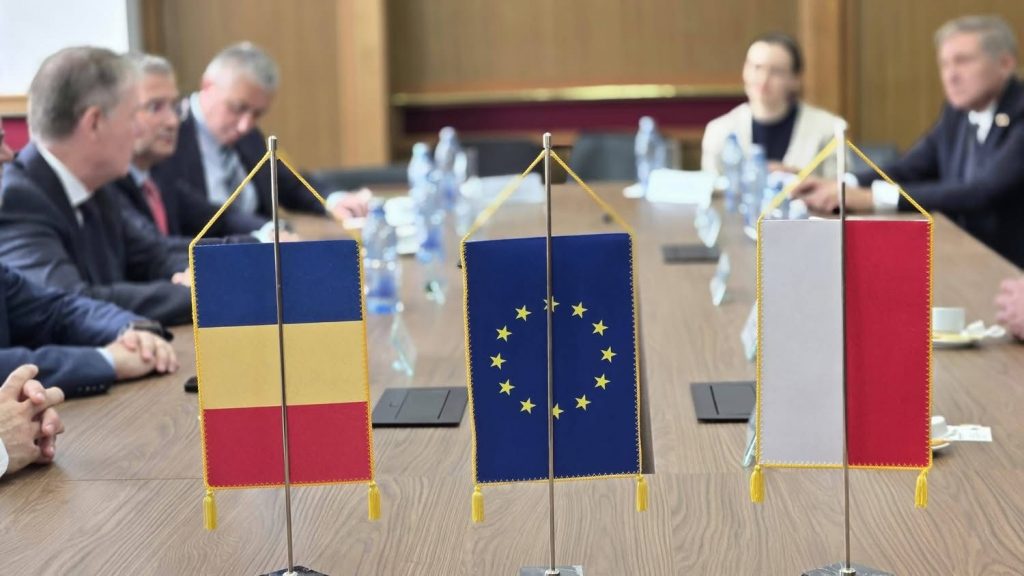
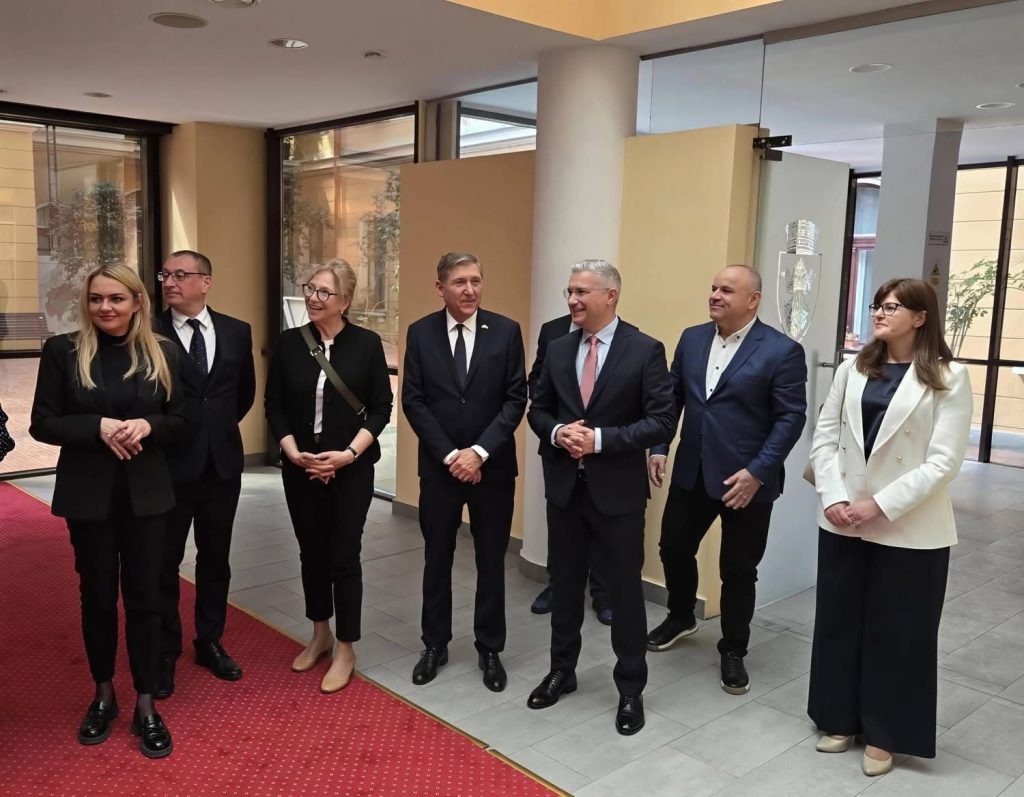
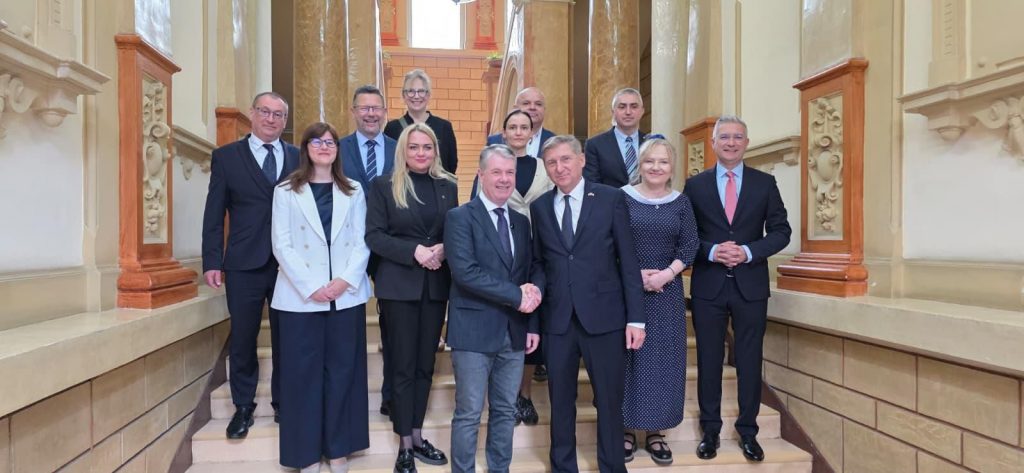
On 17 April, the representatives of Brașov town hall, were the hosts of an official delegation from the city hall of Krakow, in an important step to initiate a cooperation and partnership agreement between the two cities. This endeavor is supported by the honorary Consulate of Poland in Brașov, represented by the honorary consul, Janusz Szalinski and the polish embassy in Romania.

 Mayor George Scripcaru, together with the vice-mayors Dan Ghiță and Lucian Pătrașcu, discussed with representatives of the polish administration about opportunities for collaboration in areas such as culture, patrimony, urban development and community projects. Brasov and Krakow are cities with a strong identity and a heritage that deserves to be valued together.

Delegation from Krakow, made up of local councilors and representatives of the administration, expressed his appreciation for the natural beauty of Brașov and its multicultural character - elements considered a real advantage for future partnerships.

At the invitation of the mayor George Scripcaru, the delegation will spend in Brașov, four full days that include, meetings with representatives of the Brasov local council; participation in the opening of Brașov Days; The Junii Feast , visiting some tourist attractions in the city and in the area.

Krakow has a population of over 800.000 of inhabitants and was the capital of Poland until 1596. It is still one of the strongest economic centers, university, cultural and artistic in Poland and one of the most visited cities in Central Europe. It has a UNESCO heritage historic center and a number of important historical sights, medieval or not (including Schinder's factory), an international airport, is a university and scientific hub with smart city experience, digitization and mobility, it is a successful model in managing mass tourism and has tremendous potential for green energy cooperation, culture and creative industries.

It should be noted that between Brasov International Airport - Ghimbav and Katowice, the capital of the Silesian Voivodeship, located about an hour from Krakow, there is already a direct flight connection.

Happy Easter!

The Consulate of the Republic of Poland in Brașov, represented by the honorary consul – Mr. Janusz Szalinski, wish everyone a Happy Easter, quiet and full of light!

May these holy days bring you health, joy, hope and beautiful moments spent with loved ones!

With respect,

Honorary Consul of the Republic of Poland in Brașov, Mr. Janusz Szalinski.

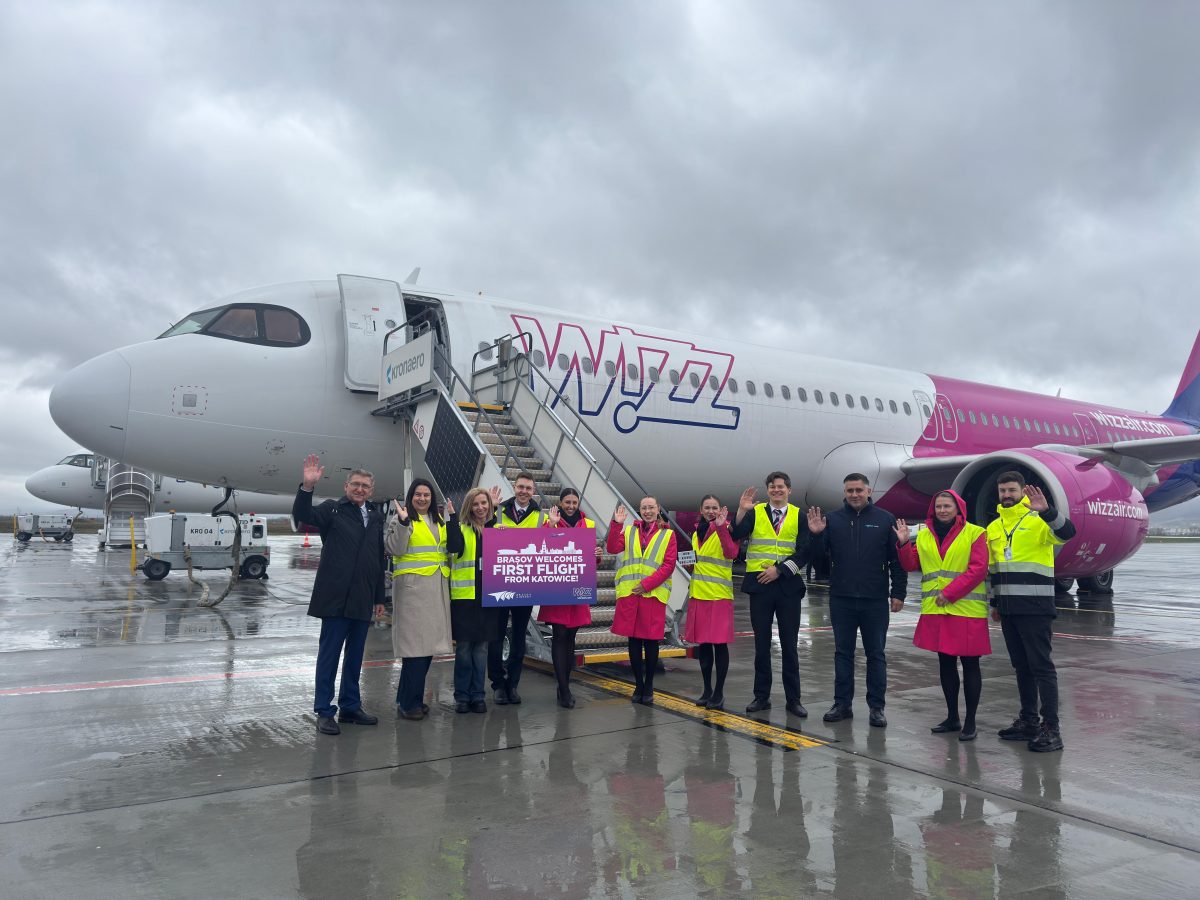
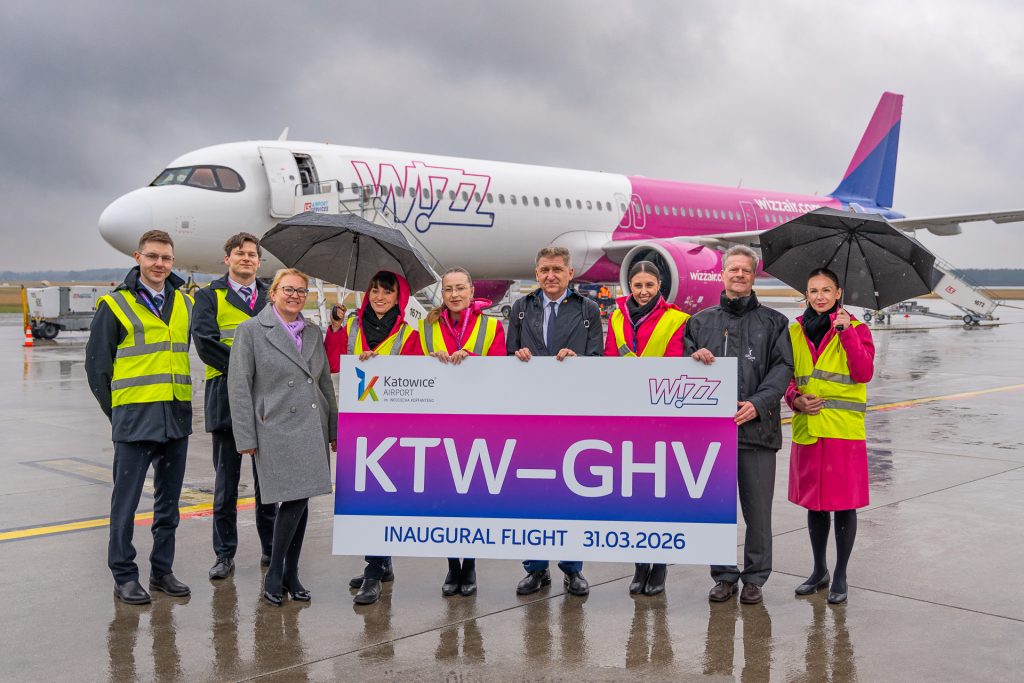
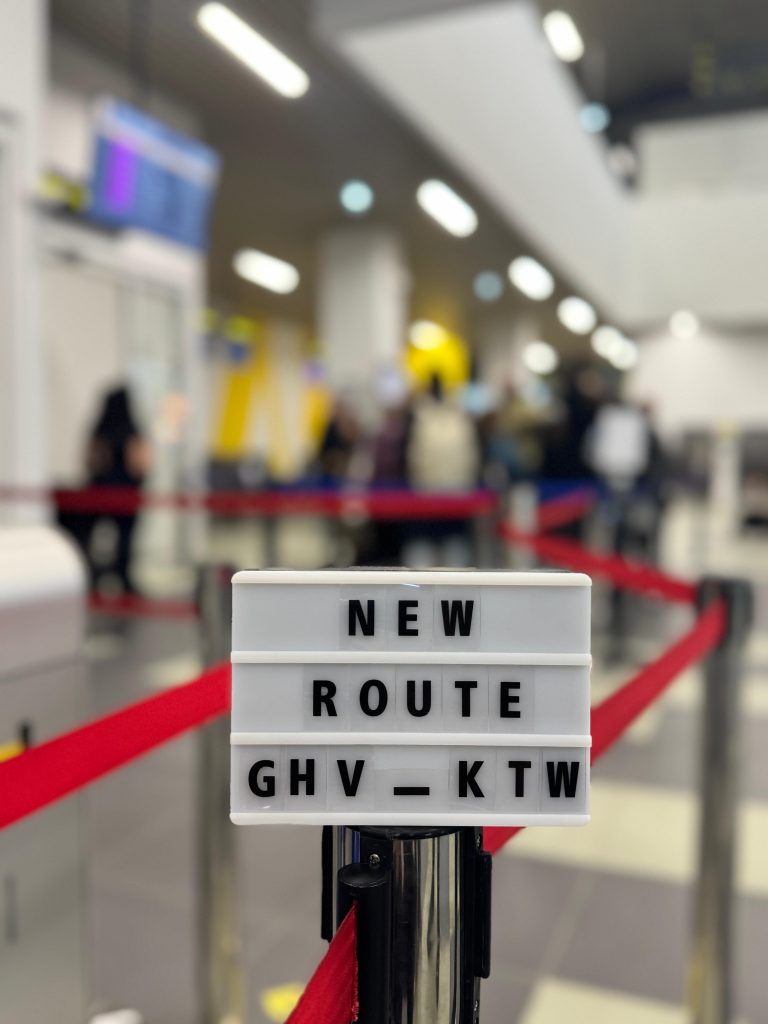
Direct flight Brasov GHV – Katowice KTW

Date of 31 March 2026, marks the inauguration of the flight operated by Wizz Air on the route Brașov - Katowice (KTW) from Brașov International Airport- Ghimbav.

This connection will be operated three times a week from Brașov, on Tuesdays, Thursday and Saturday, offering a direct link between central Romania and southern Poland.

By this route, passengers from the Brașov area benefit from direct access to Katowice Airport, un important hub regional, and polish tourists will reach the heart of Romania more easily. The connection creates additional opportunities for tourism and business travel.

At the inauguration of this flight, along with other local officials, was also participated the honorary consul of Poland in Brasov, Mr. Janusz Szalinski, who supported the importance of this new air line connection between Brașov and Poland, in terms of tourism, economic but also cultural.