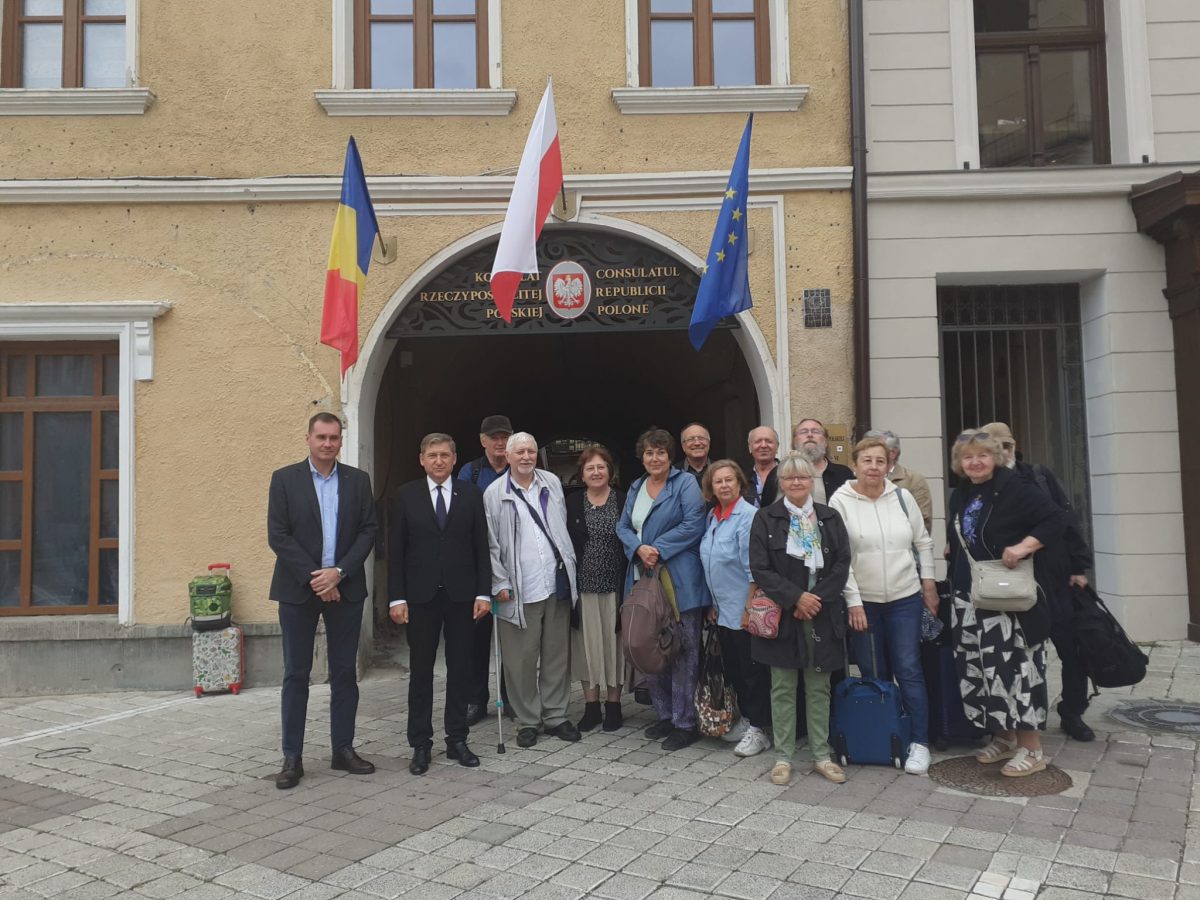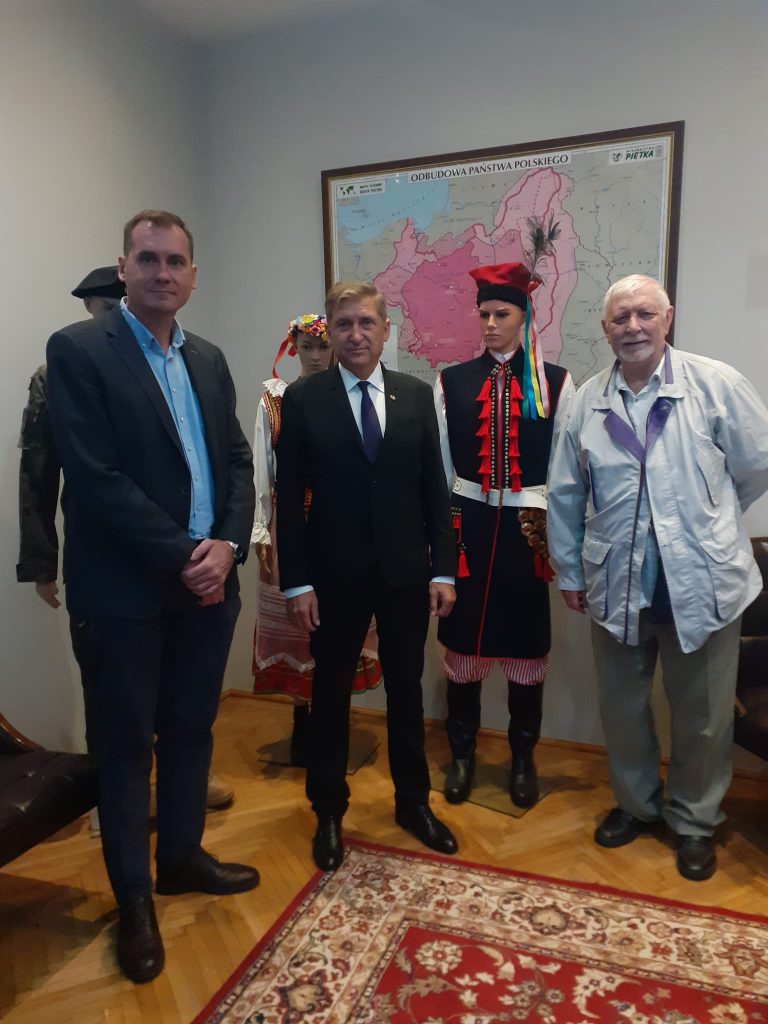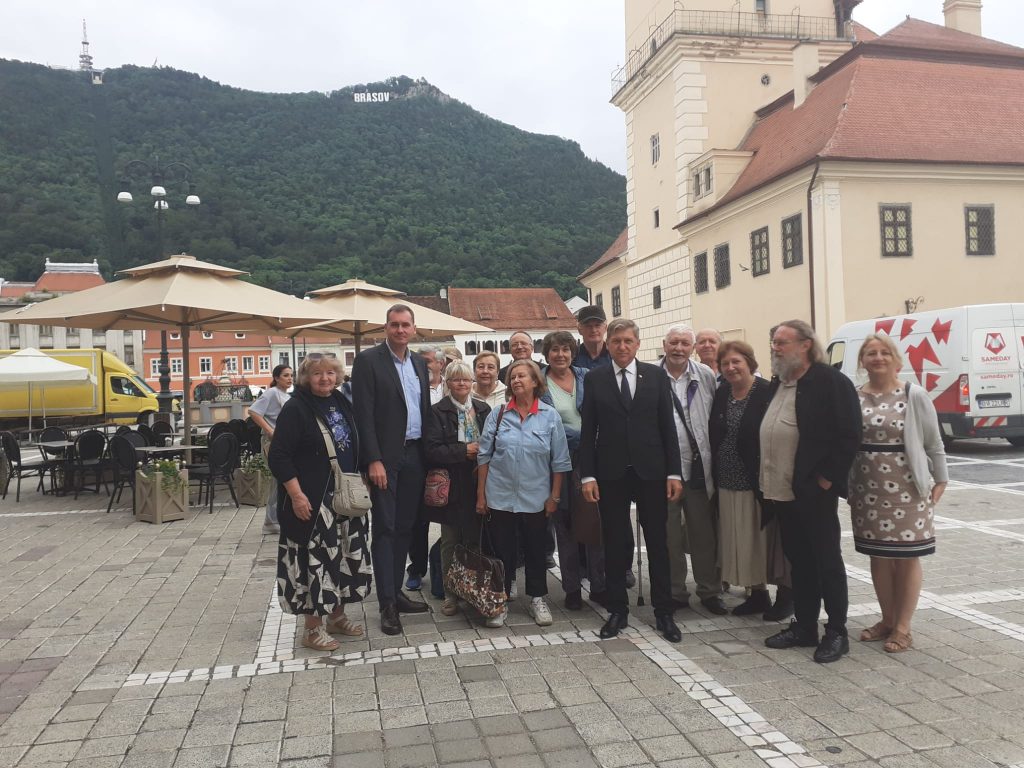
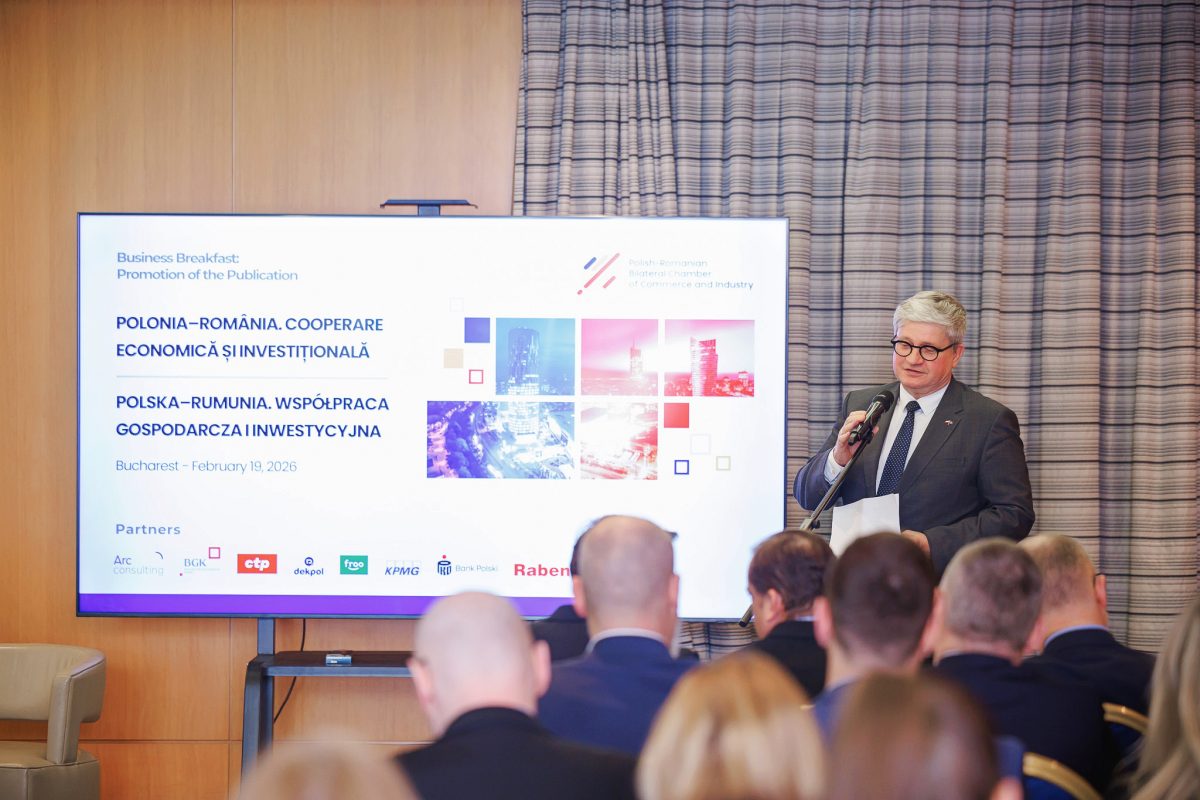
The official visit of Mr. Paweł Soloch, polish ambassador to Romania, in Brașov

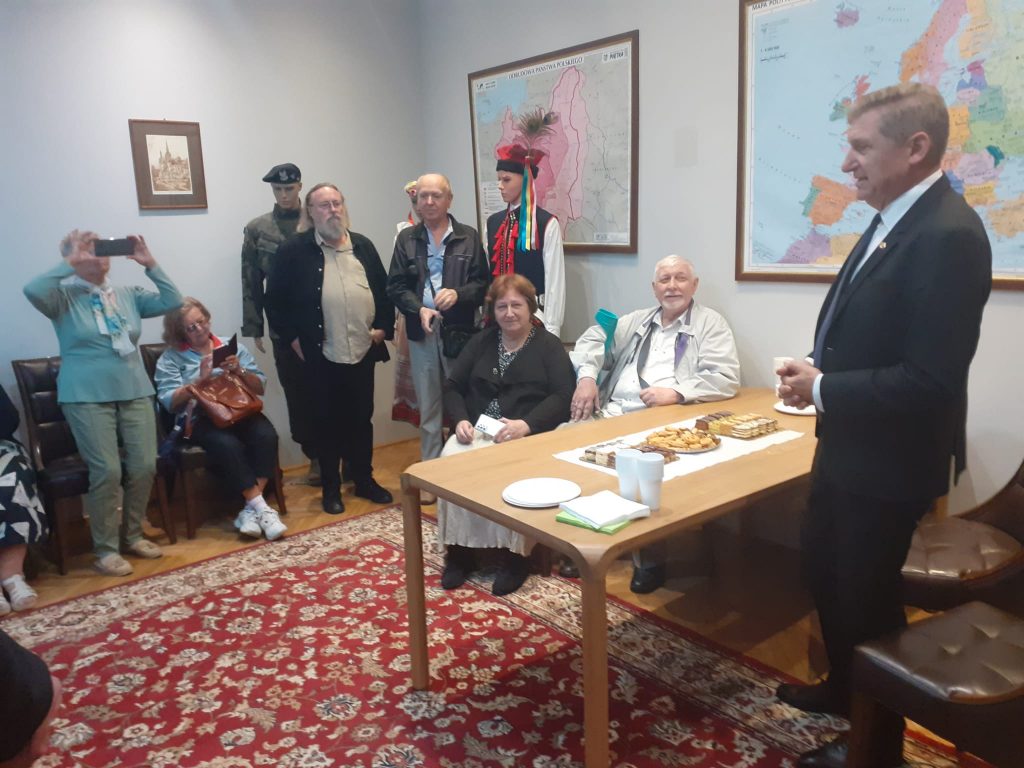
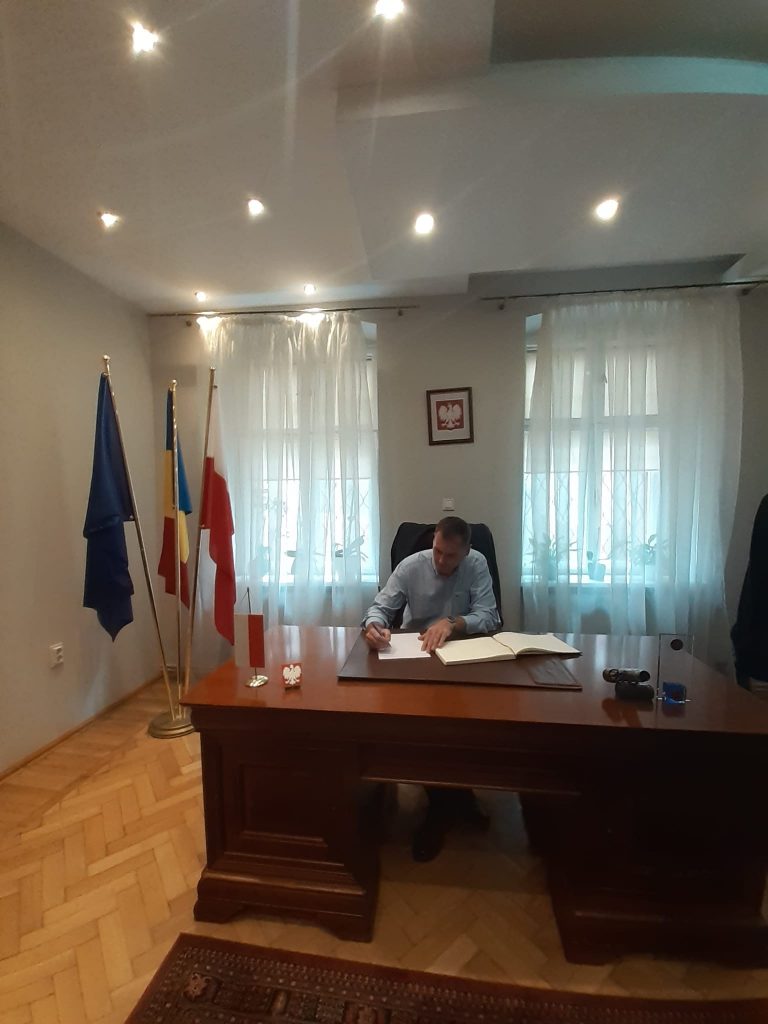
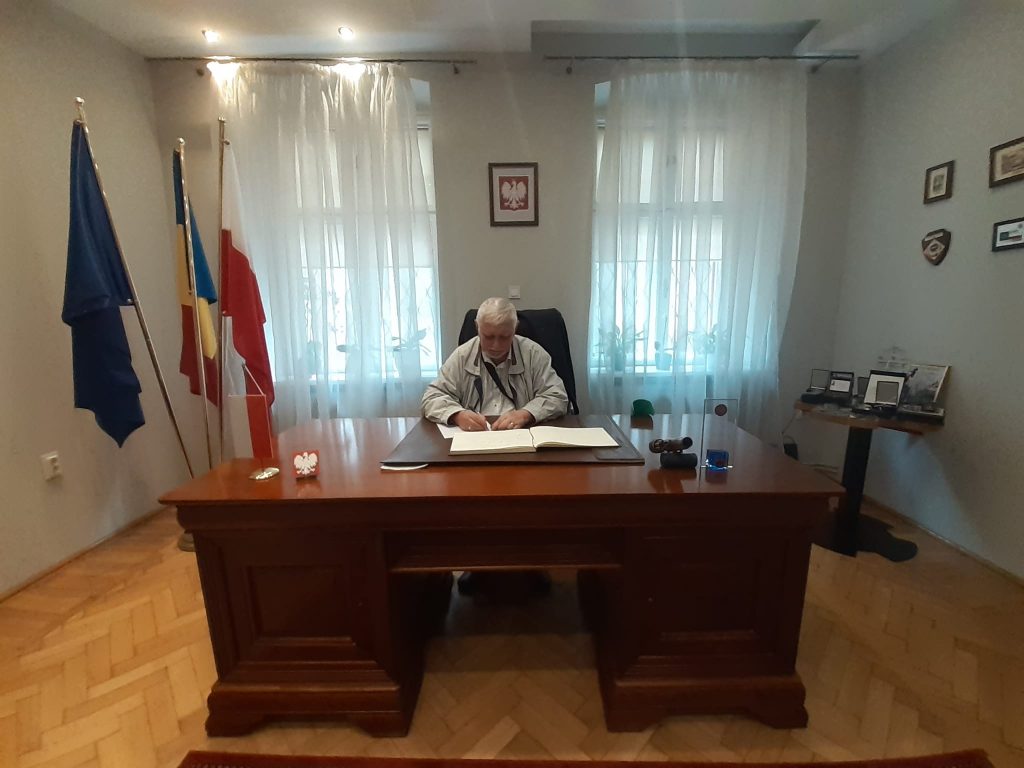
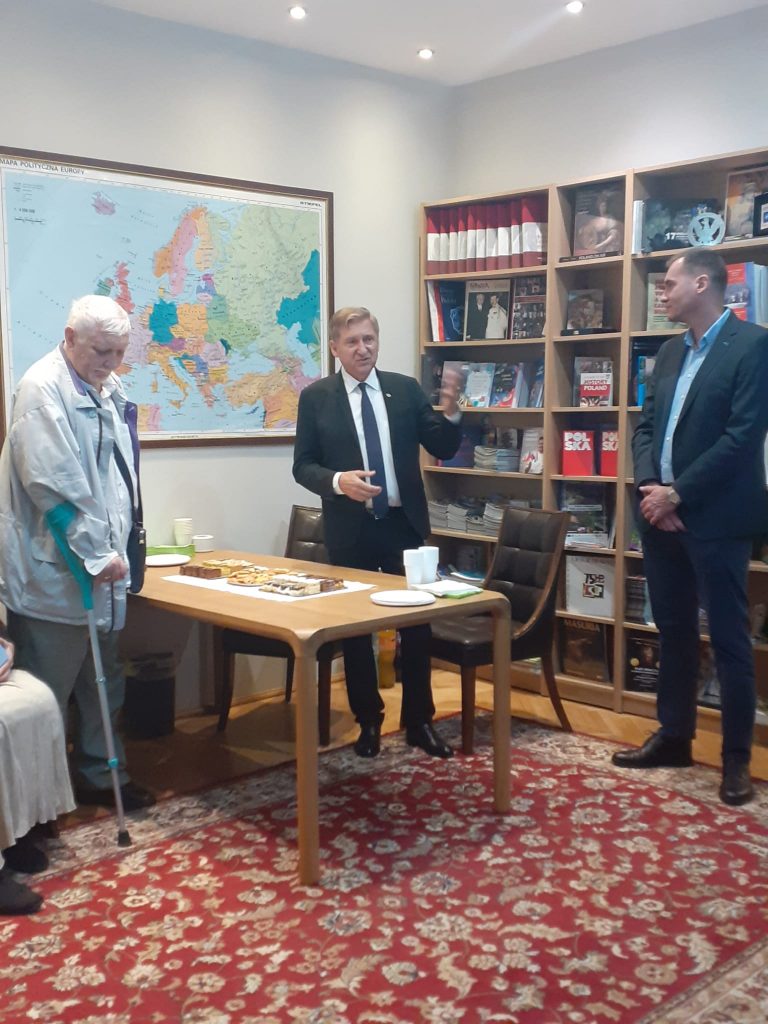
On 27-28 April 2025, polish ambassador to Romania, His Excelence, Mr. Paweł Soloch, visited the city of Brasov for the first time, at the invitation of Mayor George Scripcaru, to participate in the days of Brasov city.. In this context, Mr. Ambassador, was particularly excited to have had the opportunity to participate in events and to know Brasov even during a city tradition, especially that he participated not only in the parade of the Junii, but also took part in the traditions of the groups of junii from Solomon's Stones.

On the occasion of this visit, the delegation of Mr. Ambassador, met with representatives of local authorities, made official visits to the County Council, Brasov Prefecture, City Hall but also at Ghimbav International Airport. There were discussions related to the economic collaboration projects, cultural, tourist and energy, but also about the twinning project between the cities of Brașov-Cracovia, as well as the possibility of introducing a direct route Brasov – Warsaw, with the polish airline LOT at the International Airport in Brasov.

To these official meetings, along to ambassador, was also participated the honorary consul of Poland in Brasov- Mr. Janusz Szalinski, an important representative of Poland but also a real support on cultural projects and the business environment on relationship between Brasov – Poland.

Concert of the Bandonegro Tango orchestra in Brasov

Sunday, 2 March, at the "Reduta" Cultural Center takes place the 5th edition of the Argentine Tango show Buenos Aires-Tango Nights.

Guests were exclusively, for the second time in Romania, the musicians from Bandonegro Tango Orquesta from Poland, and will be accompanied by argentine tango professional dancers – Doina Enache and Cristian Dumitru.  

Bandonegro is a polish argentinian tango orchestra, founded in the year 2010. The four musicians - Jakub Czechowicz violin, Marcin Antkowiak ontrabas, Marek Dolecki pian, Michal Glowka bandoneon - are specialized in both traditional argentine tango, as well as in tango nuevo. They compose and show their own parts, with jazz and classical music items, which is why they are considered the best tango orchestra of their generation.

TanGo Nights of Buenos Aires, the 5th edition is an event organized by Tango Brașov in partnership with the "Reduta" Cultural Center Brașov.

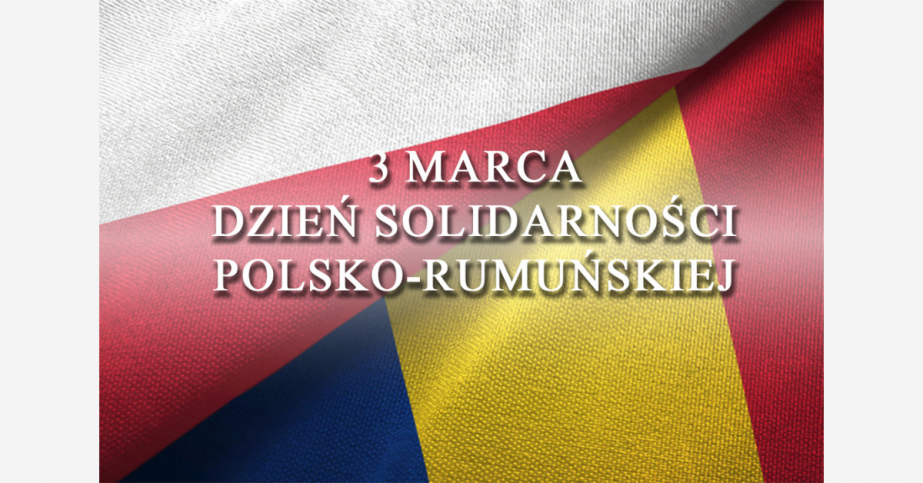
3 March – Romanian-Polish Solidarity Day

On 3 March 1921, the defensive alliance convention between the Polish Republic and the Kingdom of Romania was signed, completed by bilateral guarantee treaties signed at 26 March 1926 and 15 January 1931. They aimed to guarantee security in Central and Eastern Europe in front of the imperial plans of Bolshevik Russia. The polish-romanian alliance has further strengthened the friendship between our nations, giving it the rank of "alliance of hearts", as Marshal Józef Piłsudski said. After World War II, the two countries were united by the common experience of the communist regime.

At the moment, Poland and Romania are related to a strategic partnership, concluded at 7 October 2009 by the presidents Lech Kaczylski and Traian Basescu. We are reliable allies in the North Atlantic Alliance and close partners within the European Union. We coordinate together the Bucharest format 9, that brings together the countries of NATO's eastern flank and actively contribute to the three -seas initiative. The same as for more than a century ago, we are united by friendship, solidarity and a common evaluation of threats to the European security that come from the east.

At the National History Museum of Romania, until the date of 10 March, The exhibition “Romania-Polonia is opened, a century of history. Marshal Józef Piłsudski and the Royal Family of Romania ”, and can be visited from Wednesday until Sunday, between 09:00-17:00.

On 4 March 2025, on the stage of the Romanian Athenaeum in Bucharest, from 19.00, the concert of one of the most appreciated polish band by world music takes place – "Vołosi" string quintet. The music of the ensemble transcends the genres, being a merger full of virtuosity of balkan elements, eastern, classic and rock. The concert takes place on the occasion of the Polish-Romanian Solidarity Day and is part of the Poland-Romanian cultural season program 2024-2025, result of cooperation between the Ministry of Culture and National Heritage of Poland, Institul Adam Mickiewicz, The Ministry of Culture of Romania and the Romanian Cultural Institute, with the support of the Polish Institute in Bucharest.

The meeting between the Deputy Minister of Defense from Poland and the Minister of Defense from Romania

On 24 February, was a working meeting between the Deputy Defense Minister of Poland, Paweł Bejda and the Minister of National Defense of Romania, Angel Tîlvă .

Discussions focused on strengthening NATO's discouragement and defense posture, as well as on strengthening strategic dialog and practical cooperation, both at the bilateral level, as well as in NATO and European Union.

Within the meeting, the two officials also discussed the intensification of the cooperation between the defense industries of the two states, given the current security context and the need to develop the essential defense capabilities for fulfilling the entire spectrum of missions.

Therewith, the close cooperation between the two countries within the Bucharest Initiative was highlighted 9 (B9), as well as the importance of increasing the relevance of this format, Co-lesidized by Romania and Poland.

Poland is and will remain a strategic partner of Romania, like, and a valuable contributor to the security of the Black Sea region, especially by participating the military affiliated with the Southeast Multinational Brigade in Craiova.

The exhibition "Romania-Poland, a century of history. Marshal Józef Piłsudski and the Royal Family of Romania" at the National History Museum of Romania

On 5 December, at the National History Museum of Romania, the opening ceremony of the "Romania-Poland" exhibition took place, a century of history. Marshal Józef Piłsudski and the Royal Family of Romania".

At the event participated and gave speeches, His Excellency Mr. Paweł Soloch- The Ambassador of the Republic of Poland in Romania , Her Royal Highness of Romania- Princess Sofia, Mr. Ernest Oberländer-Târnoveanu- the director of the National History Museum of Romania, Mr. Liviu Jicman- the president of the Romanian Cultural Institute, Mrs. Joanna Onyszkiewicz and Mr. Krzystsztof Józef Jaraczewski, niece, respectively the nephew of Marshal Józef Piłsudski.

The project is organized within the Romania-Poland Cultural Season, 2024-2025 and the exhibition can be admired during the period 5 December 2024 – 9 February 2025, from Wednesday to Sunday between 09ꓽ00 – 17ꓽ00, after which the polish version of the exhibition will be opened at the premises of the Józef Piłsudski Museum in Sulejówek, on the date of 3 March 2025 on the occasion of the Romanian-Polish Solidarity Day.

This brings together over 100 of heritage artifacts, including Marshal Piłsudski's sword, portraits of the romanian Royal Family and the polish leader, uniforms of kings Ferdinand I and Charles II, as well as that of Queen Mary, armed, badges and diplomatic documents. The exhibition illustrates a historic period of collaboration and solidarity between the two nations.

Meeting of polish entrepreneurs in Romania

On 10 December . at the headquarters of the Embassy of the Republic of Poland in Romania took place the “Annual Meeting of the Polish Business Environment “.

Invitations of the polish ambassador to Romania, His Excelence, Pawel Soloch were representatives of the companies with polish capital operating in Romania.

 The meeting was an excellent opportunity to share with other members of the polish business community the business experience in Romania and the plans for 2025.

The Honorary Consul of Poland in Brașov - Janusz Szalinski - also participated at the event, being a well-known entrepreneur in the area of ​​Transylvania.

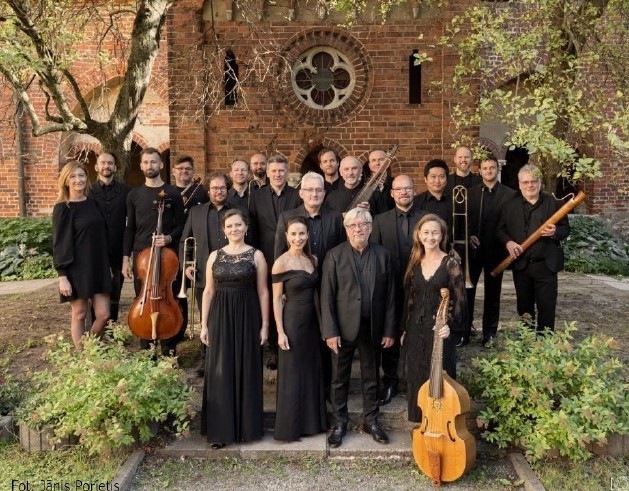
Old music concert with polish artists in Brașov

On 17-28 in September, the Old Music Festival Brașov takes place, which offers the public the unique opportunity to explore musical diversity in a special historical setting.

The event attended also by Mr. Honorary Consul of Poland, Janusz Szalinksi, it's not just a simple music festival, but a true journey through time, through authentic sounds and interpretations.

During the festival, the polish violinist, Martyna Pastuszka, delighted us with two memorable concerts. First, along with "Oh Orkiestra", at the Brașov Philharmonic, and the second one, with "oh Trio", at the Church of St. Bartholomew, being the oldest church and also the oldest building in Brașov.

The spectators were taken on a captivating musical journey, exploring oriental rhythms and passionate sounds.

The commemoration of the Polish Altar from Timişu de Sus

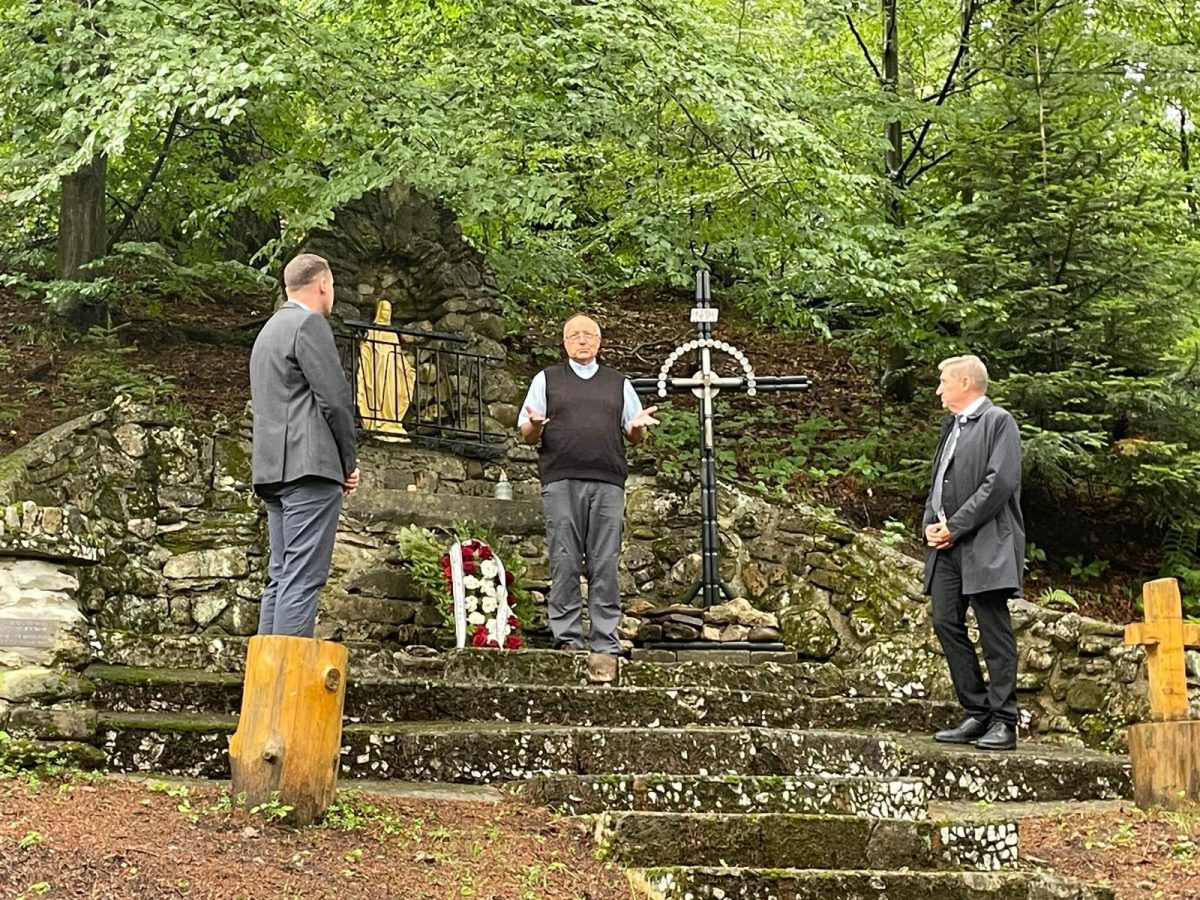
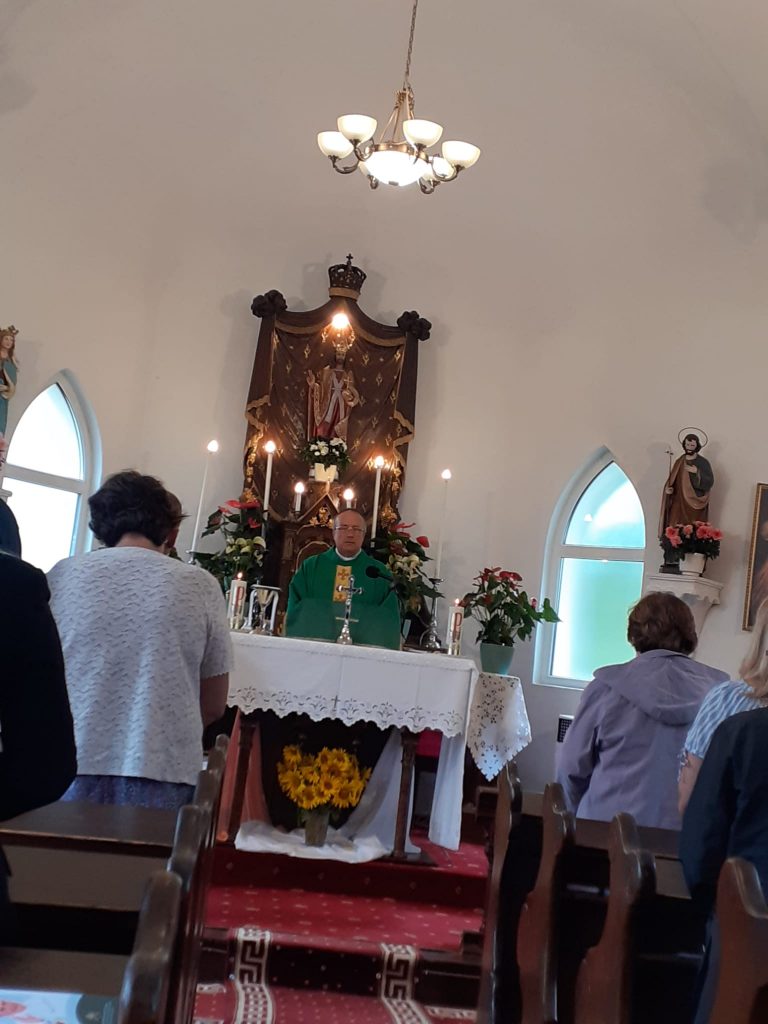
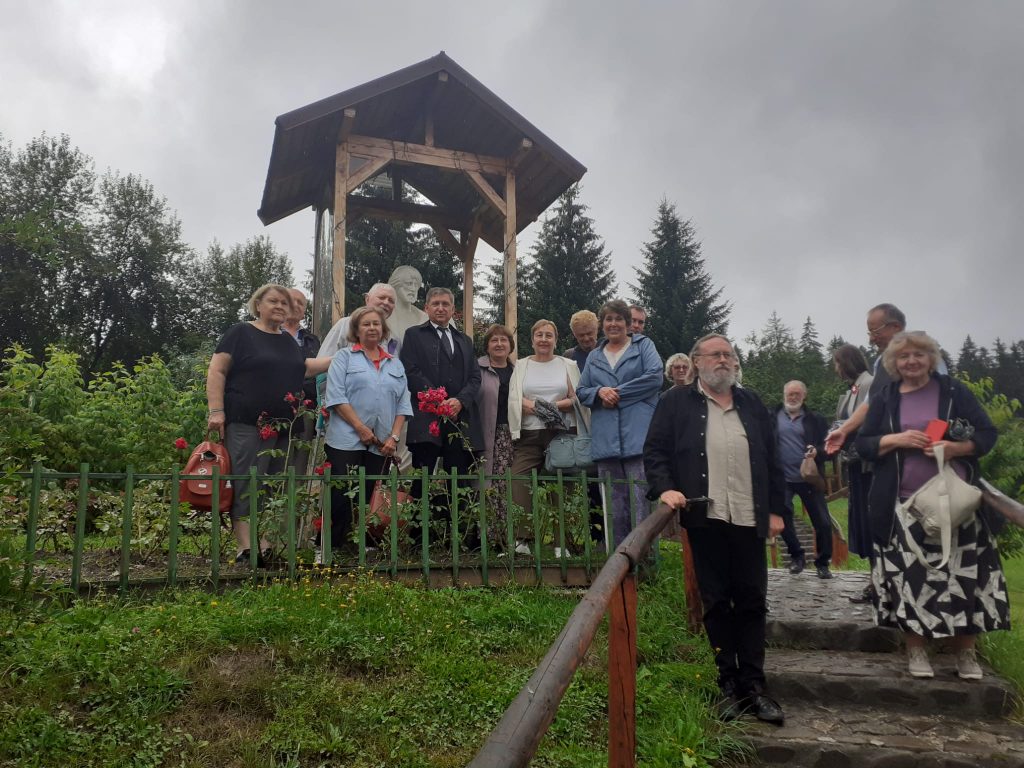
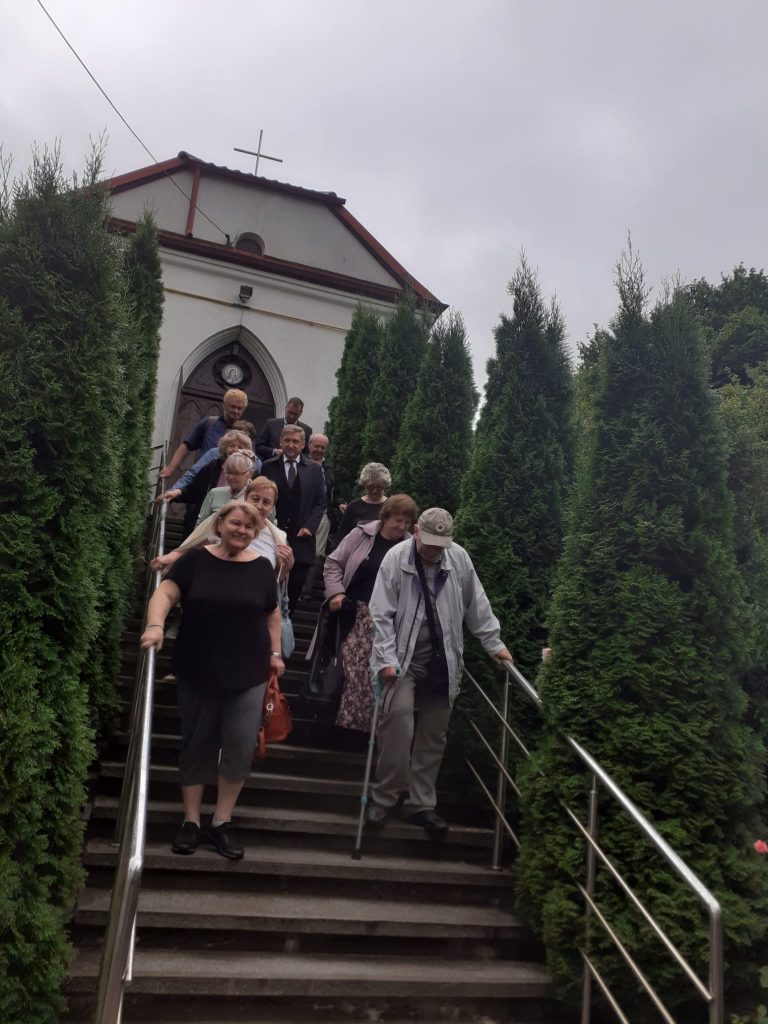
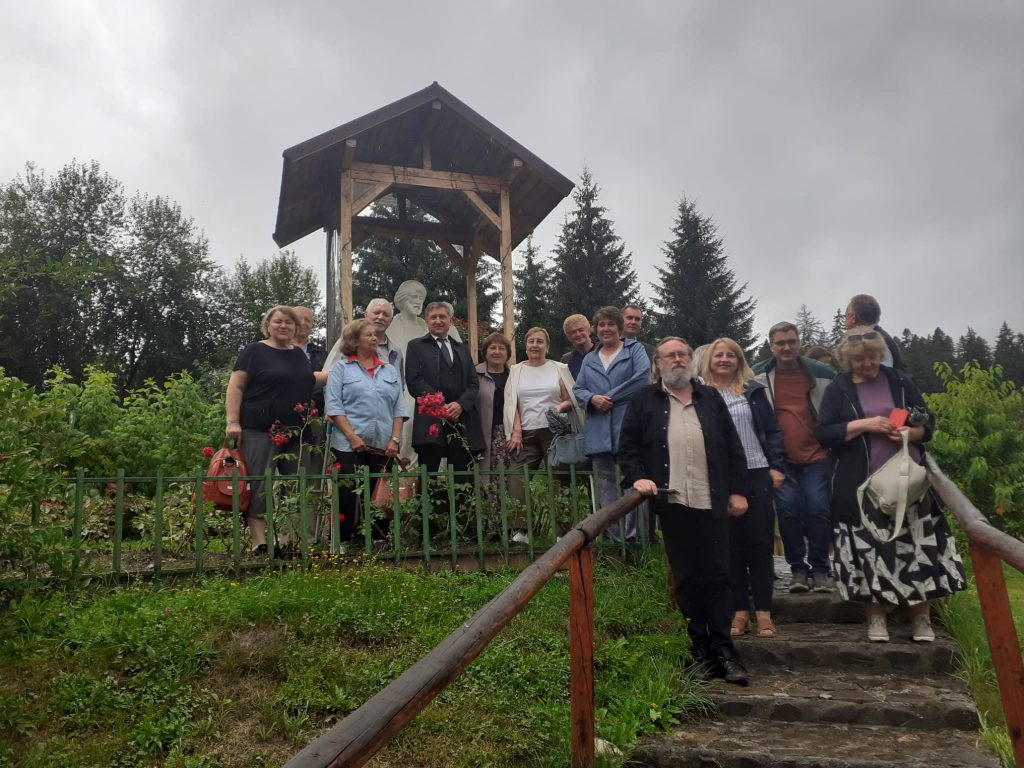
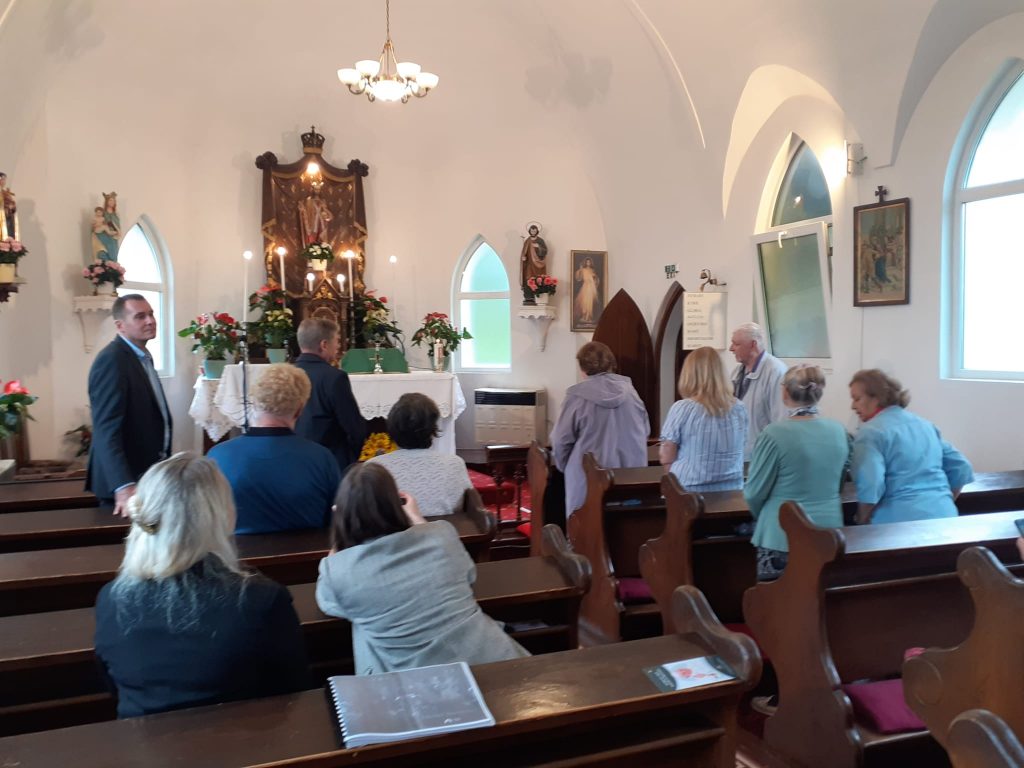
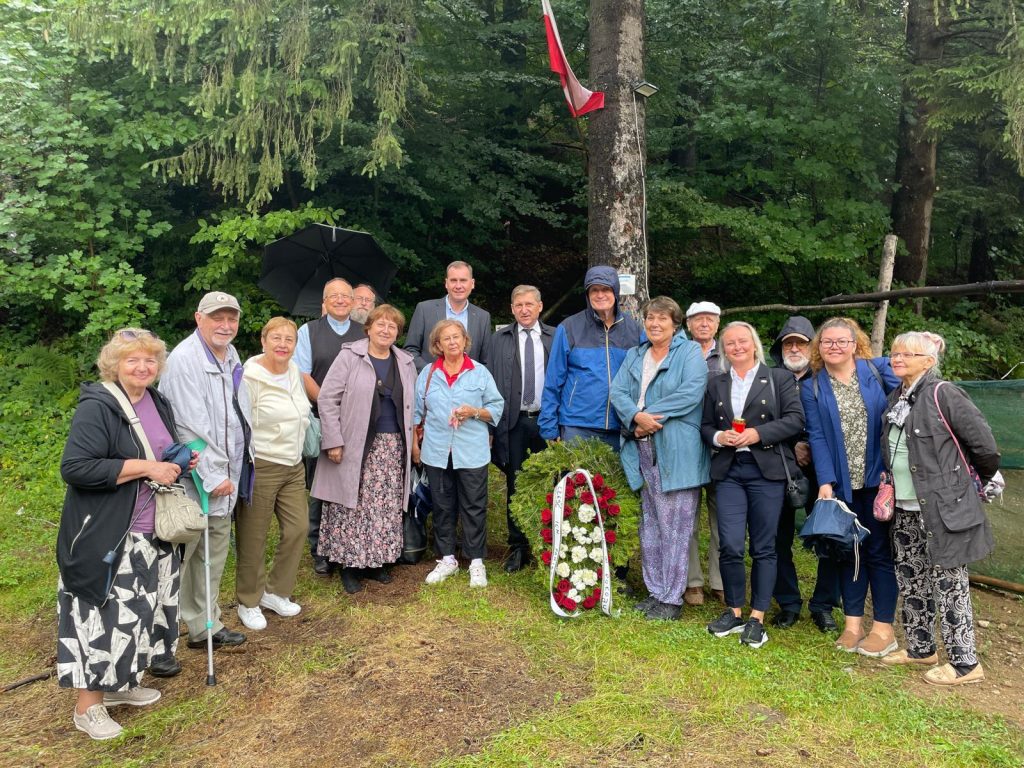
On 01 August, there was a celebration commemorating the polish stone altar from Timişul de Sus, Brașov county. The event was attended by approx 40 people, representatives of the Union of Poles from Bucharest, the embassy delegation composed of Mr. Ambassador, His Excelence, Paweł Soloch and the vice-consul, Mr. Jakub Lompart from the polish embassy, Bucharest consular section, representatives of the Consulate of Poland in Brașov represented by the honorary consul, Janusz Szalinski but also people from the polish community in Brașov.

During World War II, approximate 500 of young poles arrived, in the fall of the year 1939, in Timis de Sus. During their stay here, the refugees built a catholic shrine dedicated to the Virgin Mary. The monument is located on a hill above the YMCA camp in Timişul de Sus, camp which was founded in 1919, at the initiative of Queen Mary.

 Few years ago, with the help of information received from a historian from Brasov, from the polish embassy in Bucharest but also from the nuns of the Catholic church in Timișul de Sus, this altar was rediscovered by the consul, Mr. Janusz Szalinski.

 Over time, the Consulate in Brasov together with the help and involvement of the polish soldiers from the Infantry Battalion: "Neagoe Basarab" from Craiova took care of the place, cleaning and preserving this holy place for poles.

At the initiative of the polish embassy through the Consulate in Brașov, it was possible to create and install it on the DN1 national road ( very close to the location) of some tourist boards that refer to this altar.

The entrance to this polish altar built in the year 1940 it is made from DN1 through the courtyard of the YMCA Association and is open to the public Monday-Friday between hours 11-14.

Constitution Day of the Republic of Poland

Polish constitution from 3 th of May 1791 it is the first modern constitution in Europe and the second in the world, after the United States, and this year they are fulfilled 233 years after its adoption.
The significance of the Constitution of 3 th of May, as a symbol, is exceptional for the formation and consolidation of the national identity of the poles and in their struggle for an independent and self-sufficient state. In the years of lack of independence (1795-1918), The Constitution was a symbolic bond for a divided nation, which was under the power of three foreign countries.
Patriotism is not only the love of the land in which you were born but, especially, the love of the past, without which there is no love of country. Because, over time the poles managed to preserve and transmit, language, faith, culture, the traditions and customs that represent them.
This is a clear proof of patriotism, because by faith, the power of a people is represented by the love for the country, and the poles, they love their faith, nation, culture, the traditions and customs, honoring the blood from which they sprang.

Constitution of 3 th of May – painting by Jan Matejko (1838-1893)

Day of the Polish Diaspora and Flag Day of the Republic of Poland

Polish people, celebrate the Day of the Polish Diaspora and the Day of the National Flag on 2 May.

Day of the Polish Diaspora and Poles Abroad, it's a new holiday, celebrated since the year 2002, being a proof of the recognition of the multi-century heritage and the contribution of the Polish Diaspora to the achievement of independence by Poland, the devotion and connection with the Polish spirit as well as the help given to the country in the most difficult moments.

The Flag Day was introduced by a legislative act that was passed by the parliament in 2004.

The current polish flag was adopted in 9 February 1990 which consists of two parts of the same width. The top one is white, and the bottom one is red. These colors refer to the polish coat of arms – The White Eagle – the oldest national symbol of Poland. The color white is considered to represent peace, while the color red symbolizes the blood shed in the nation's struggle for independence.

The polish flag is more than red and white stripes – it represents the birth of a nation,  the courage and seriousness of the proud polish people, which is also the reason behind Poland's prosperity and its growing influence over the rest of the developed world.