Chopin concerts in the Royal Łazienki Park in Warsaw

We invite you to the 64th season of this year's Chopin Concerts in the Royal Łazienki Park in Warsaw.

Recitals by polish and foreign pianists, from Argentina, Spain, Italy, South Korea, China and USA will be available every Sunday between hours 12.00 – 16.00, starting from mid-May until the end of September.

In 1939, when Warsaw was under nazi occupation, the performance of Chopin's music was forbidden, and the following year (1940) the monument was blown up. Only after the end of the war, in the ruins of a wagon factory in Wrocław, Chopin's head was found in the Łazienki sculpture, and Szymanowski's work was reconstructed from a surviving plaster model. The Fryderyk Chopin monument was erected on its former place in 1958, and a year later the music of the polish artist resounded from here.

Over the years, concerts in Łazienki Park underwent various changes. Finally, the formula of clique recitals that take place every Sunday from mid-May to the end of September was adopted. This choice was dictated by the huge interest in concerts in Łazienki Park.

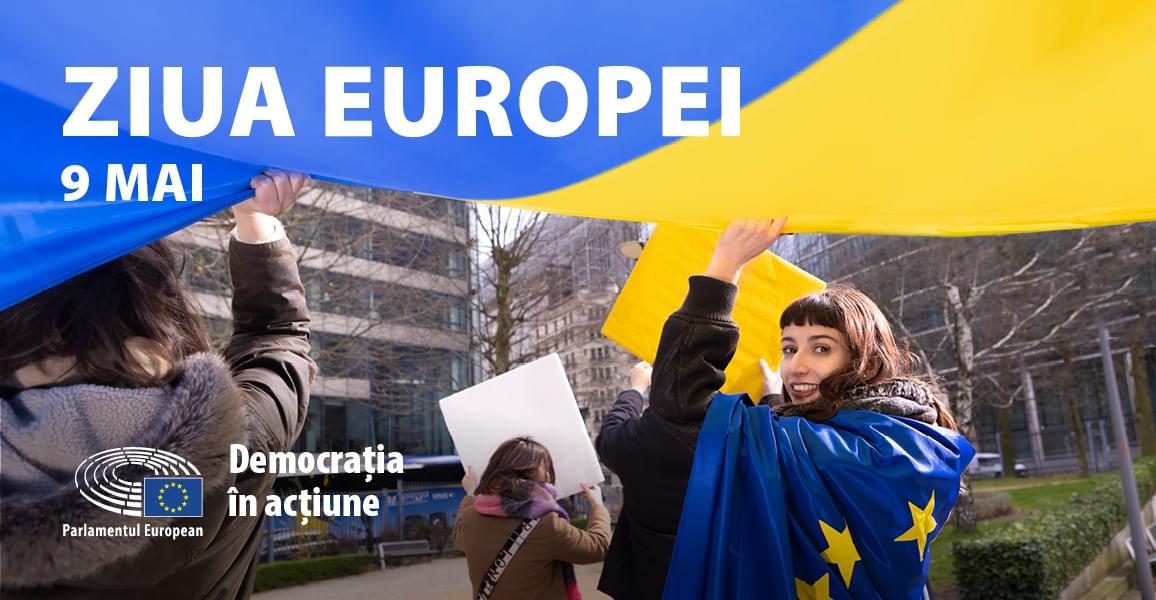
9 MAY – EUROPE DAY

When we are in 9 MAY, we say EUROPEAN UNION, we say freedom, democracy, peace and prosperity. When we say the European Union, we say our common future, of those 28 state members, in a great family of prosperous and developed nations. The progress of all the countries participating in this political union is inextricably linked to the destiny of the European Union.

Any anniversary is not only a time of celebration but also one of reflection. Thus, we think about what the European Union means to us, but also what Poland represents and not only for the great European family.

The Union was born after the Second World War as a peace project, which brought prosperity and unity to the European continent. It was an unprecedented moment that irreversibly shaped the Europe we live in today, transforming it into a space of consolidated democratic values.

After 66 years of operation of the EU, I can say without a doubt that the balance sheet of the actions undertaken is a positive one. Membership of the European Union, for us Poles and all citizens of Europe, it represents the orientation towards values ​​shared with some of the oldest and most established democracies. What makes us legal members of the European Union are, especially, the principles and values ​​of which we, Poles, we are genuinely attached.

Precisely because of this real affinity of Polish society towards European values ​​and culture, our country was able to outline a solid profile within the Union and demonstrated its, every time it was necessary, commitment and loyalty in supporting the unit, European cohesion and solidarity.

I concluded, therefore, by wishing «Happy birthday!» United Europe.

3 May – Constitution Day of the Republic of Poland

On 3 May, we celebrate the adoption of the Constitution of the Polish-Lithuanian Commonwealth, i.e. National Day of 3 th of May, also known as Constitution Day and remains one of the foundations of the polish republican tradition. It is a reference point for traditions and aspirations for independence in the years of separation, communist occupation and enslavement. Its importance to polish thinking about freedom proved to be timeless: it was a source of pride and a source of self-esteem reinforcement for every generation that reminded Europe of the poles' right to freedom – postulating the return of Poland to the political map of the continent and full independence.

Constitution of 3 th of May 1791, the first written fundamental law in Europe and the second in the world – after the Constitution of the United States of America turned the state into a constitutional monarchy. He reformed the system, eliminating the so-called cardinal rights imposed and guaranteed by foreign powers. In 11 chapters, regulated the problems of the ruling religion, the status of nobility and landed gentry, townsfolk, peasants, legislative powers, executive and judicial, education of royal children and military matters. He introduced the principle of separation of powers. The expression of the sovereign will of the nation was to be a bicameral Sejm. The hereditary ruler presided over the ministerial body, which was the most important organ of the executive power (Guard of the Law). The judiciary was to be separated from the executive and legislative branches. Despite maintaining the federal character of the Polish-Lithuanian state, a number of state institutions were centralized.

Although this document was signed ago 232 years, he still carries many universal messages and is a model of consensus between warring political parties. Its creators showed imagination and long-term thinking and action for the good of the country. The constitution was a powerful impulse that stimulated social awareness of the need for changes in the functioning of the state, it also gave hope for reforms. The constitution was a civilizational achievement of the citizens of the Polish-Lithuanian Commonwealth, an important chapter in the common history of Poland and Lithuania. It also became a model for other countries.

Poland and Poles around the world celebrate the Constitution as a national holiday.

HAPPY BIRTHDAY TO POLAND AND TO ALL POLES!

Day of the Polish Diaspora and Poles Abroad

The Day of the Polish Diaspora and Poles Abroad is a national holiday established in 2002 by the Seimas of the Republic of Poland. In this way, millions of Poles living abroad were honored, but who for centuries fought for Polish independence, they supported Poland in the most difficult moments of history and actively expressed their attachment to the Republic of Poland.

Over the centuries, poles were forced to leave their homeland. For 123 for years it fell under the occupation of its three neighbors (Russia, Prussia and Austria). Then there were two world wars, soviet occupation and a difficult road to freedom. Many poles had to flee persecution, ostracism and lack of opportunities for growth.

The polish diaspora refers to people of polish origin living outside of Poland. The polish diaspora is also known in modern polish as Polonia, which is the name of Poland in Latin and many other Romance languages.

According to information found on the website of the Polish Ministry of Foreign Affairs, the diaspora is estimated at approx 21 million people (bringing the number of poles and people of polish origin to approx 60 millions globally).

The largest center of polish expatriates is, in the United States of America, between 9 and 10 millions of strong people. The second place belongs to Germany,  approximate 2 millions of poles. , and the third country with the largest group of Poland is… Brazil –  1,5 millions of poles, 700 thousands in the United Kingdom. Also, we find poles in places like France (historically the main emigration direction of polish elites since the 19th century), Canada and Argentina.

Everywhere there are active communities where later generations have been in contact with polish culture through polish schools which are an important extension of the polish education system. The polish authorities ensure that such schools are available for polish minorities. Programs are introduced to encourage young students to learn about their polish roots and culture, the language and history of the country. Polish schools can be found practically everywhere there are centers for polish minorities, even in "exotic" destinations such as Thailand, United Arab Emirates, South Africa, Qatar, China, Kargazstan, Iceland and Egypt.

It is estimated that at least one polish person lives in every country on the globe, which makes Poles true cosmopolitans and citizens of the world.

2 May – National Flag Day of Poland

Almost 60 millions of poles around the world celebrate the National Flag Day of Poland on 2 May. The it was introduced by a legislative act that was passed by parliament in 2004.

The current polish flag was adopted in 9 February 1990 which consists of two parts of the same width. The top one is white, and the bottom one is red. These colors refer to the polish coat of arms. – The White Eagle –  the oldest national symbol of Poland. Its origin is both legendary and historical.

The color white is considered to represent peace, while the color red symbolizes the blood shed in the nation's struggle for independence.

The polish flag is more than red and white stripes – it represents the birth of a nation,  the courage and seriousness of the proud polish people, which is also the reason behind Poland's prosperity and its growing influence over the rest of the developed world.

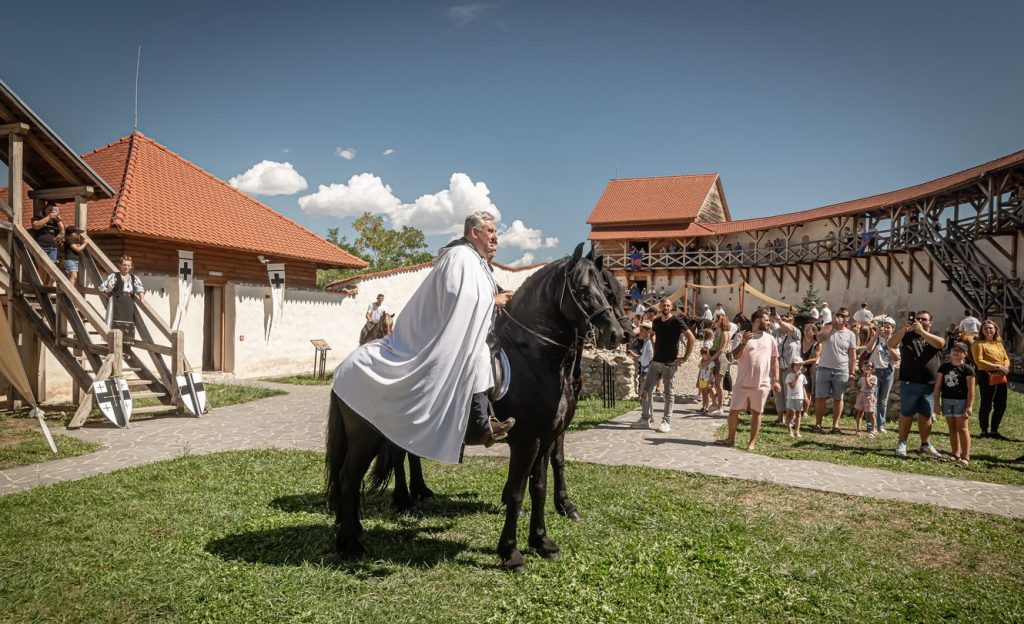
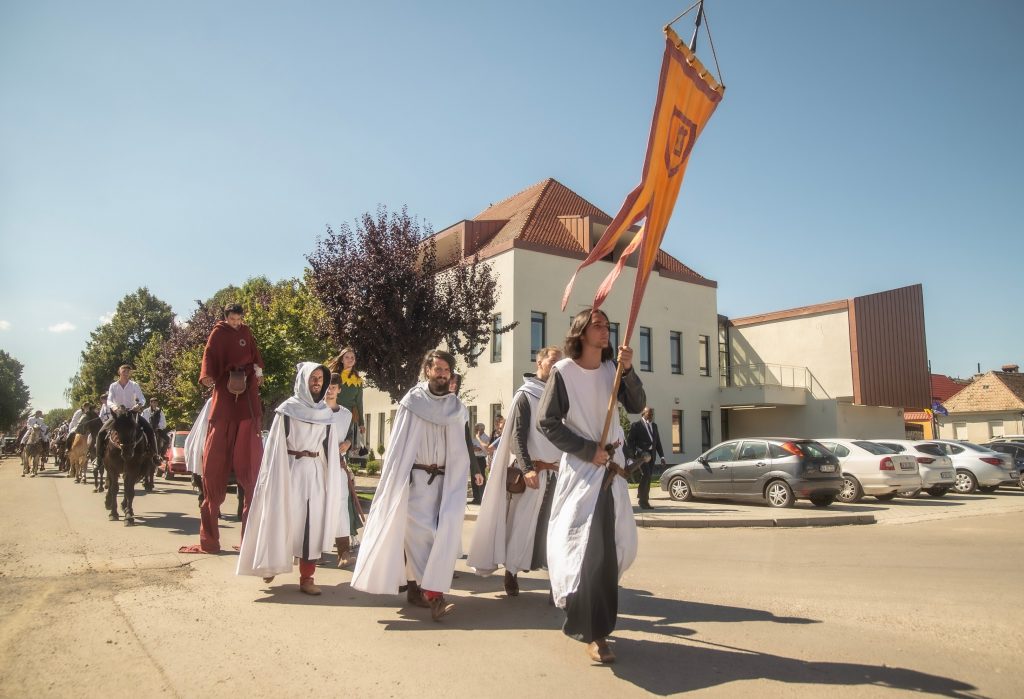
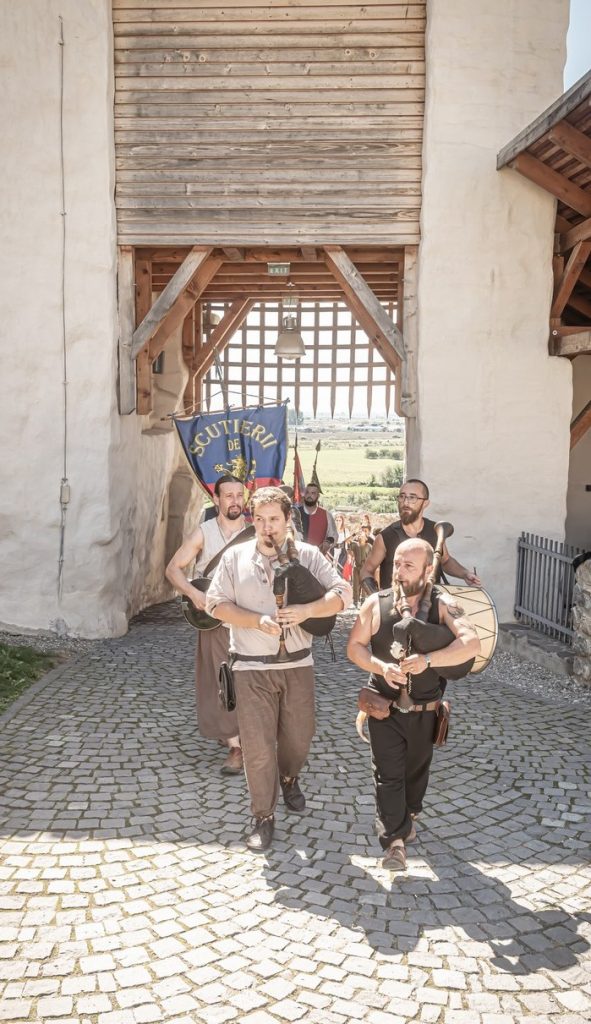
The Brasov June parade 2023

Every year, in Şcheii Brașovului, with the coming of spring and the Easter holidays, the traditional event of Junilor Brașov takes place, known as the "Descent into the Citadel" on Tomii Sunday.

The June Parade tradition is one of the most famous symbols of Brașov, which gives the city its identity and is unique in the country, not only for its symbolism, but also for its scope.

Within the event, the most famous and awaited moment was the descent of the juns into the citadel, as well as the horse parade of the bands through Şchei and on the streets of the city of Brașov. In the applause of locals, June paraded on horses decorated for the holiday.

In Şcheii Brașovului there are more than sixty troits, testimonies of the Orthodox tradition of the inhabitants, also representing a form of faith and resistance against conversion to other religions, and some of them are under the protection of the Junilor Brașovului.

From the list of guests who gave the start of the event, together with the local officials was the Consul of the Republic of Poland in Brașov, Mr. Janusz Szalinski.

The event ended with a popular music show in the center of Brașov.

The official visit of the Prime Minister of Poland, Mateusz Morawiecki

On 28 March, polish Prime Minister, Mateusz Morawiecki, on an official visit to Romania was received at the Victoria Palace, by the romanian Prime Minister Nicoale Ciuca, with military honors.

The two prime ministers attended, in the plenary session of the official delegations, at an intergovernmental meeting, followed by a signing ceremony of bilateral documents.

A memorandum of understanding was signed between the Ministry of Sports and Tourism of the Republic of Poland and the Ministry of Sports of Romania and a declaration of cooperation in the field of civil protection between the Ministry of Internal Affairs of Romania, through the Department of Emergency Situations and the State Fire Service of Poland.

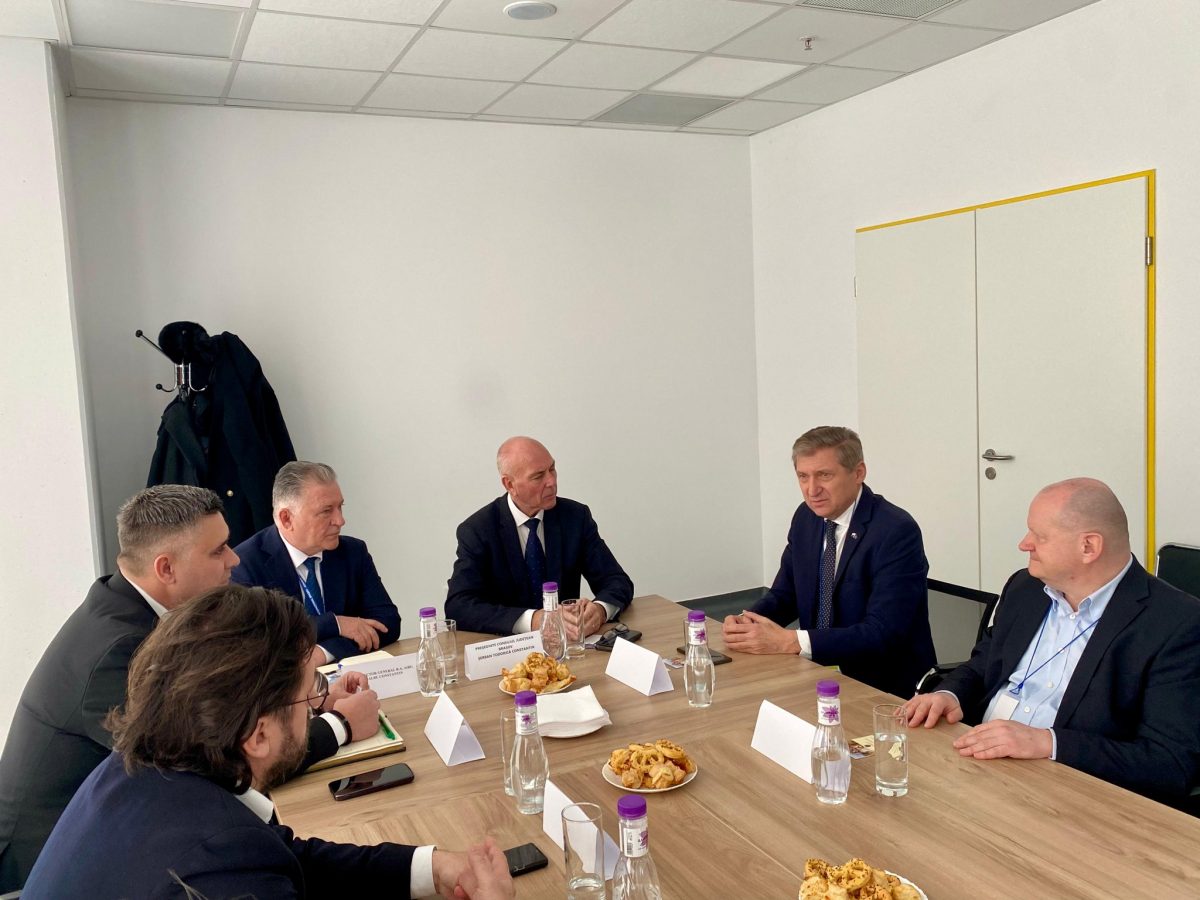
During this official visit, there were meetings between the polish delegation represented by Mr. Szymon Andrzej Szynkowski vel Sęk, member of the polish parliament,  Mr Jan Michał Dziedziczak, state secretary, prime minister's office, government plenipotentiary for the polish diaspora and representatives of the poles in Romania, president of the Polish Union and deputy in the romanian parliament, Mr. Ghervazen ​​Longher, Mr. Honorary Consul of Poland in Brasov, Janusz Szalinski and representatives from the polish Embassy in Bucharest.

The visit of representatives of the Polish Union in Romania

On 15 February, we had the special pleasure of receiving the official visit of the representatives of the Polish Union from Suceava to the Consulate in Brașov. Discussions took place regarding the polish community in Romania, about common projects but not only.

On this occasion, the group also visited the Altar of Polish refugees from the Second World War in Timişul de Sus and of course the tourist attractions of Brașov and Bran.

Transfer of authority of the Polish Military Contingent

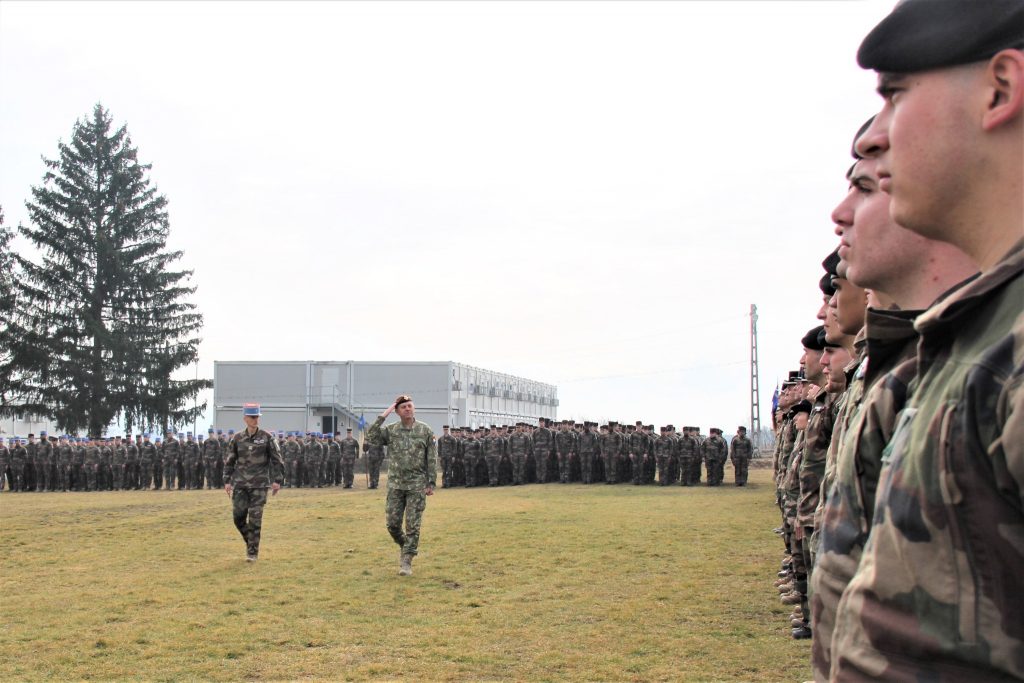
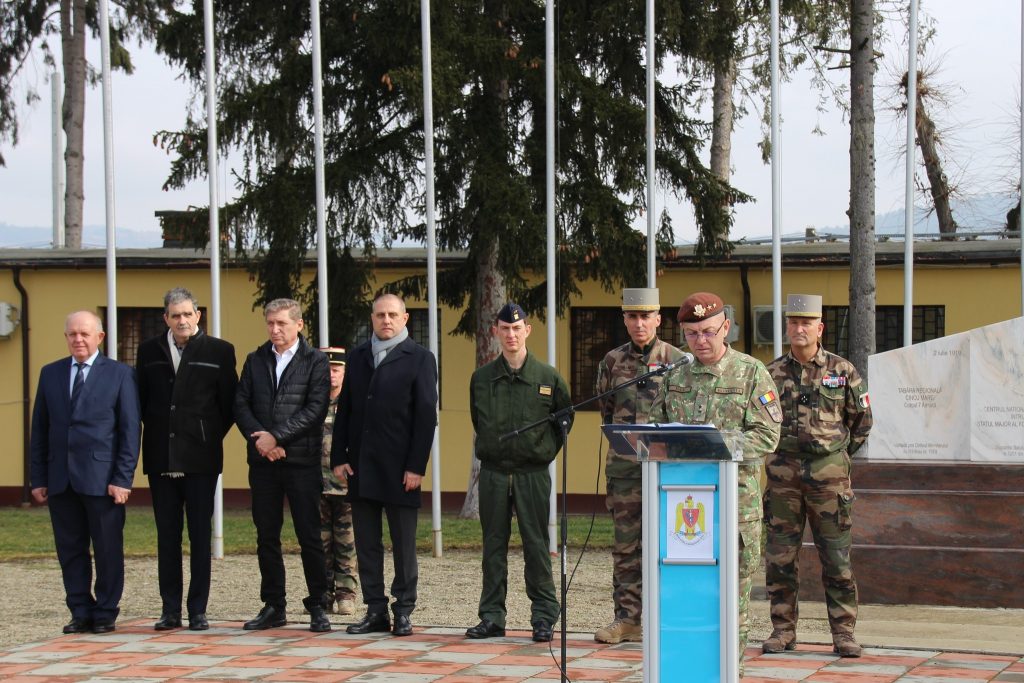
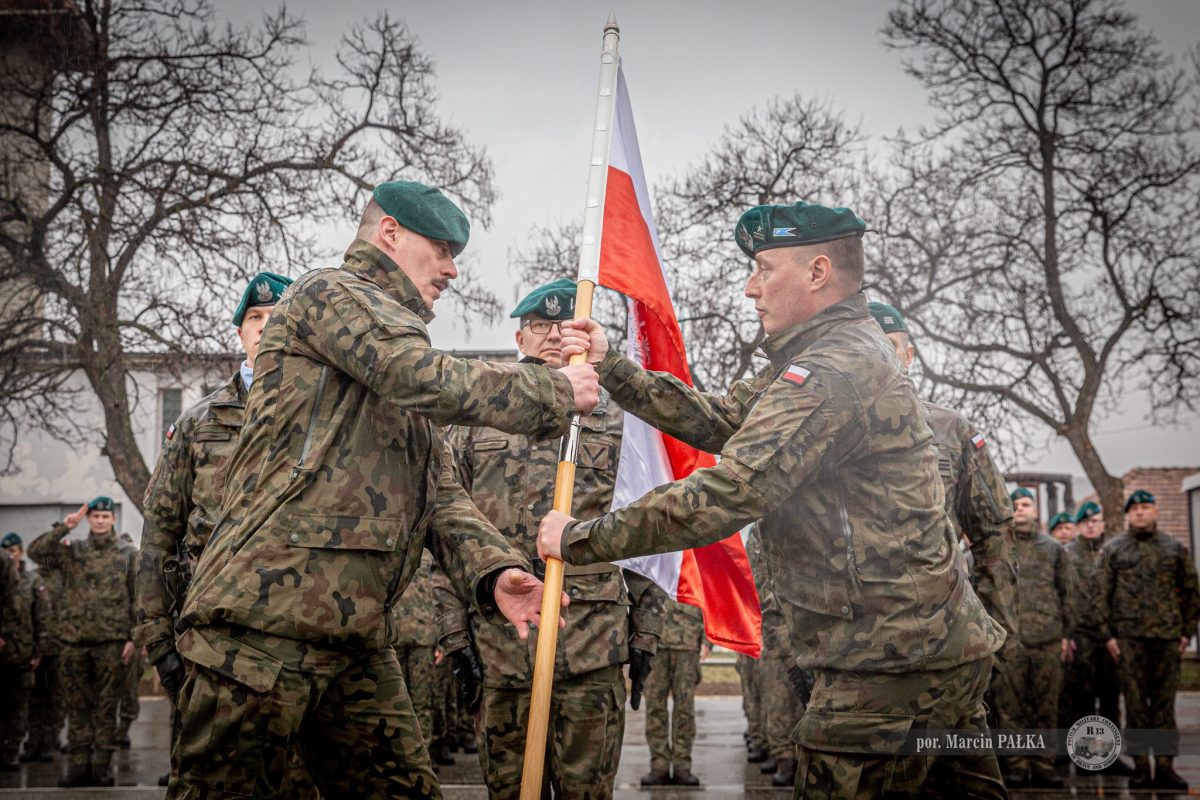
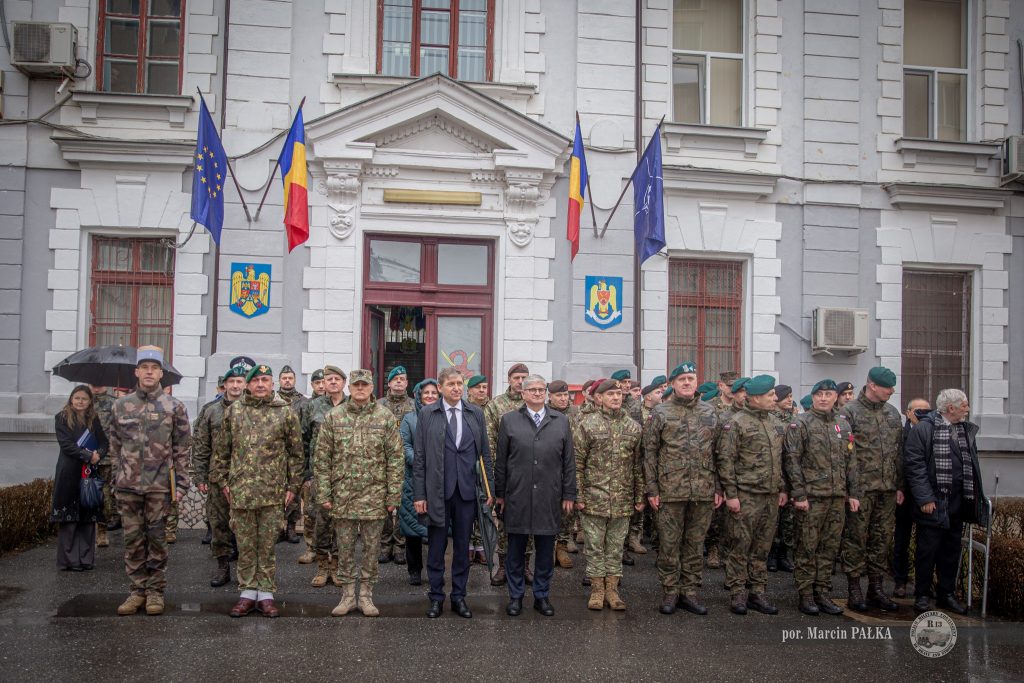
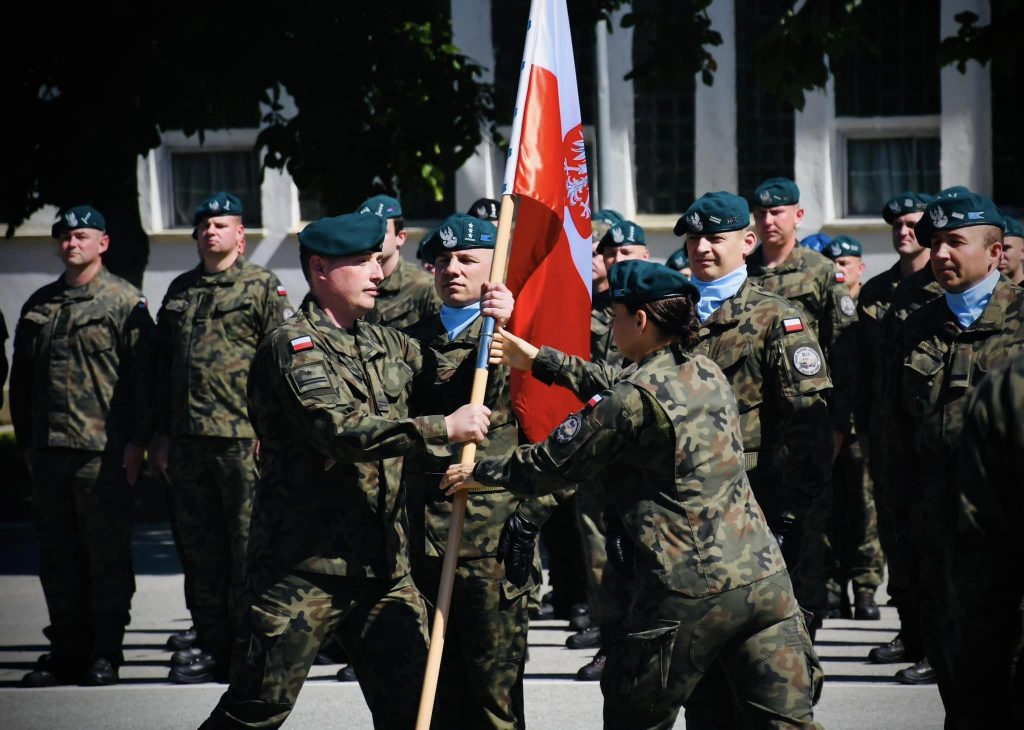
On 13 February, at the headquarters of the 26 "Neagoe Basarab" Infantry Battalion , took place ceremony for the transfer of authority of polish military contingents , 11th rotation and 12th rotation. The new commander of the polish military contingent will be Major Katarzyna LACHOWICZ, the contingent is part of the Division 12 from Szczecin.

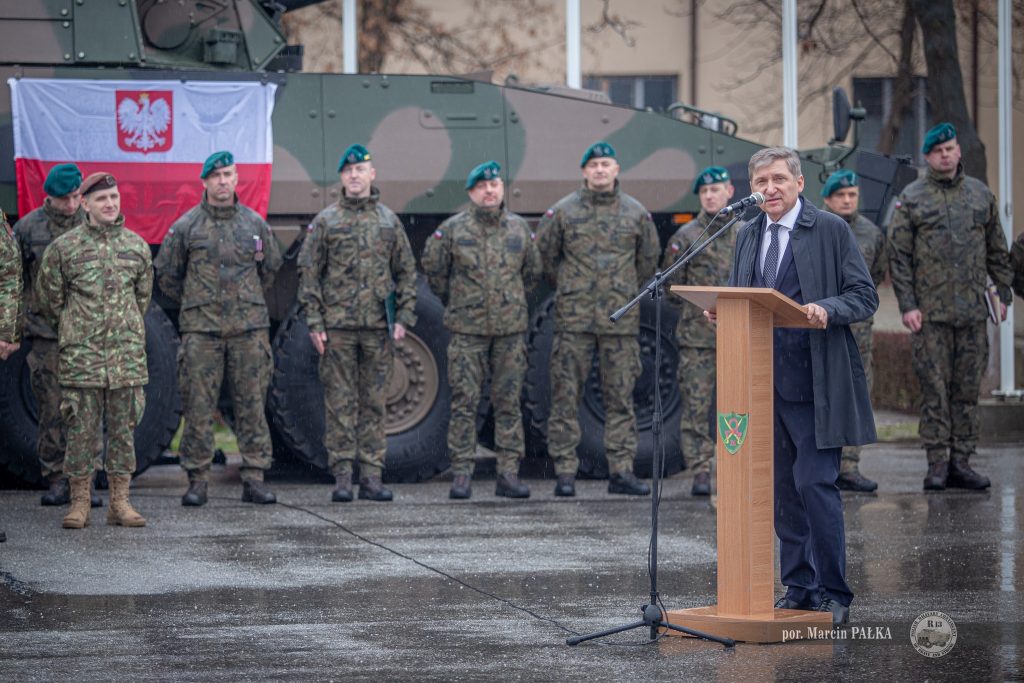
Among the guests were representatives of polish diplomacy, local authorities, civil and military services. Along with high representatives of the army, at the event was also the consul of the Republic of Poland in Brasov , Janusz SZALINSKI, where he gave a speech about this event.

Polish military contingent, whithin the Southeast Multinational Brigade, it is part of the joint initiative, having the mission to ensure the advanced presence adapted (tFP) on the Eastern Flank of the Alliance, in accordance with the measures adopted at the NATO Summit in Warsaw in 2016.

International Competition of Polish Music 2023

The registrations for the III Edition of the International Competition Polish Music 2023 that will take place in July in Rzeszów have started.

 The main objective of the competition is to popularize the polish music throughout the world and to present masterful works written by 60 distinguished polish composers, especially those of the 19th and 20th centuries.

The total value of the prizes is 100 000 euro.

Interested ensembles and pianists can find all the details on the competition website: https://polishmusiccompetition.pl/