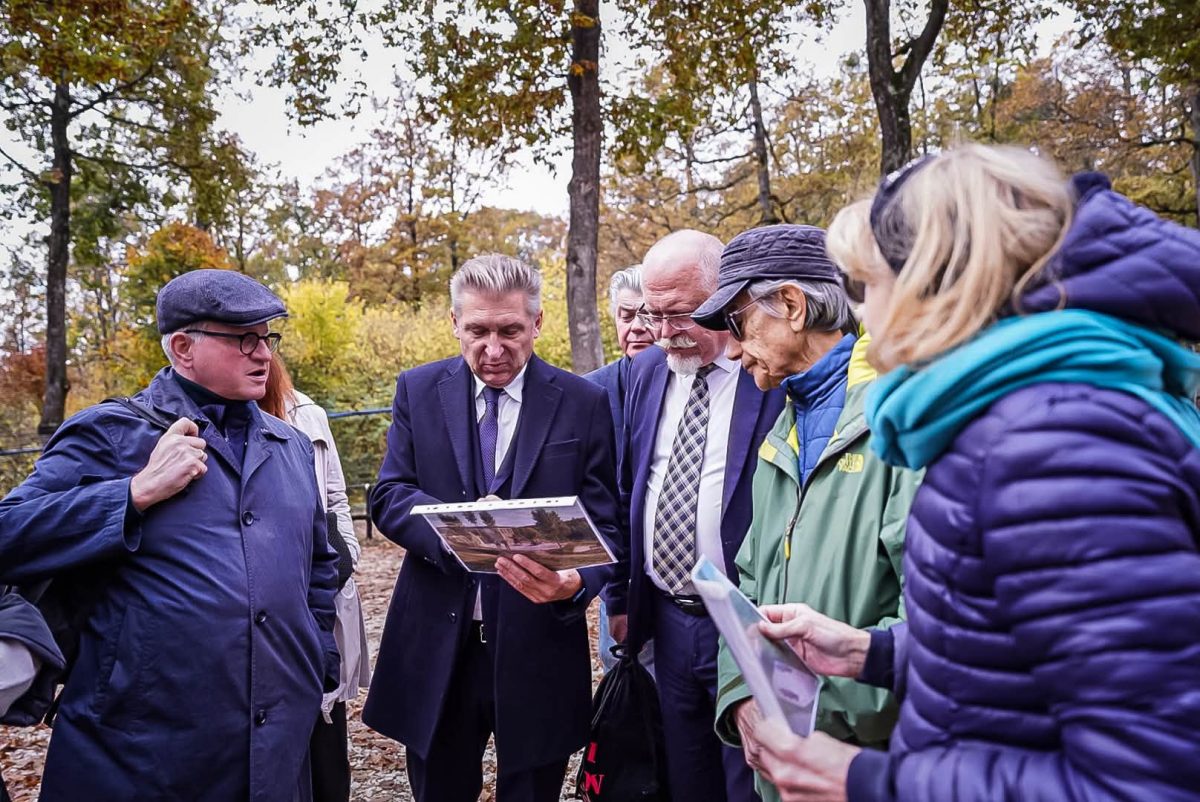
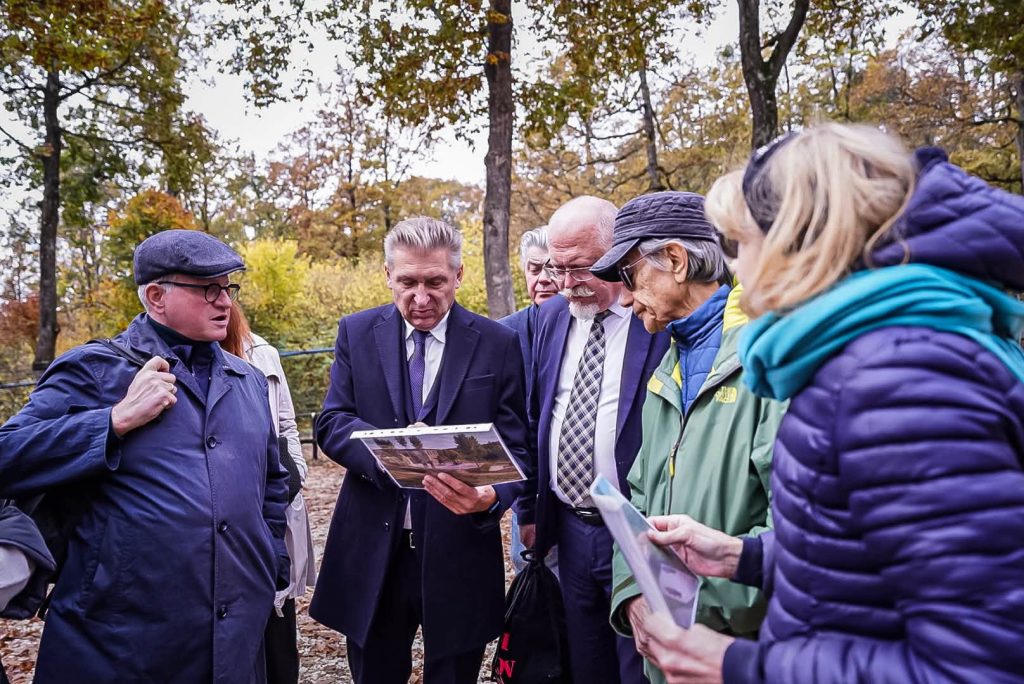
Adam Siwek, the head of the department officially in charge of the creation, restoration and care of monuments, commemorative plaques and graves of polish war veterans, both in Poland, as well as abroad, made a working visit to Romania between October 13-14 2026.
The purpose of the polish delegation in Romania, was to discuss new initiatives to commemorate Polish history, as well as about the development of cooperation in the field of historical education and the dissemination of knowledge about the fate of Poles during the Second World War abroad.
Honorary consul of Poland in Brașov participated in the meetings, Mr. Janusz Szalinski, as well as a delegation of the polish ambassador in Bucharest, Pawel Soloch.
One of the highlights of his visit to Romania was the meeting with Cristina Lapis, the president and founder of the Millions of Friends Association, which administers the famous Bear Sanctuary AMP Libearty in Zărnești. Discussions focused on the possibility of building a monument dedicated to the bear Wojtek on the grounds of the sanctuary, which attracts approx 40.000 of visitors every year. Establishing a memorial in such a recognizable location would allow the story of this extraordinary animal to be brought to light by a wider audience, including many tourists from various countries.
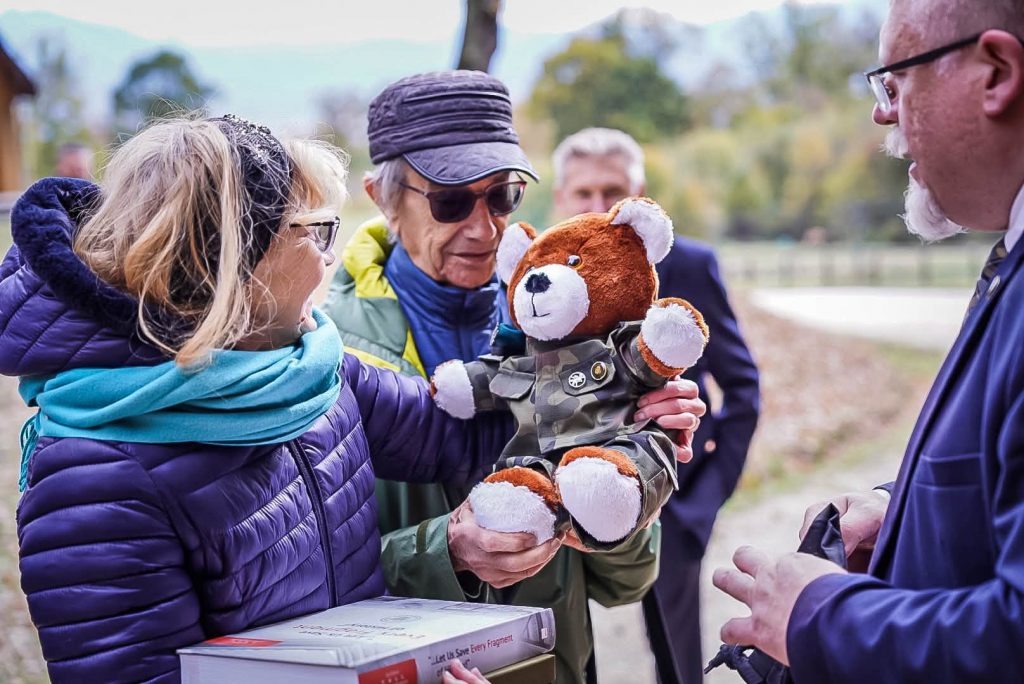
The story of Wojtek the bear occupies a special place in the narrative of Polish soldiers during the Second World War. In 1942, soldiers of the Polish Army in the East, they adopted a brown bear cub, who baptized him Wojtek, he assisted military troops by carrying heavy crates of artillery shells from trucks to firing positions, without missing a single one. For his services, he was officially enlisted as a soldier (reaching the rank of corporal). After the demobilization of the unit in 1947, Wojtek was taken to Scotland and spent the rest of his life at Edinburgh Zoo, where he died in 1963.
The meeting in Zărnești had a wide impact. Discussions focused, also, on the potential history education initiatives of the Institute of National Memory, as well as on the opportunity to present IPN exhibitions at the premises of AMP Libearty. This collaboration could contribute to the dissemination of knowledge about the history of Poland, the fate of Polish soldiers and the common threads that connect both countries. Establishing a memorial in such a recognizable location would allow the story of this extraordinary animal to be brought to a wider audience, including many tourists from various countries.
Director Adam Siwek, together with the Polish delegation, they also had a meeting with Ioan-Cosmin Feroiu, the mayor of Bran commune. Discussions focused on opportunities for cooperation in establishing Polish memorials in the commune, which would commemorate the presence of Poles in the history of the region and events and figures related to Polish national heritage. The mayor warmly welcomed the Polish delegation, and the meeting provided a forum for discussing further steps to preserve historical memory.
The day culminated with a visit to the stone altar in Timiș de Sus, near Brașov. This unique memorial site was built in 1940 of the Polish soldiers refugees in Romania after the September Campaign 1939. Built of stone in a forest setting, the altar is a testimony of faith, to the patriotism and devotion to their homeland of the soldiers who, despite the forced separation from Poland, they strove to preserve their national identity and community. It is, also, a tangible trace of the wartime destiny of the Poles whose road to freedom passed through Romania.
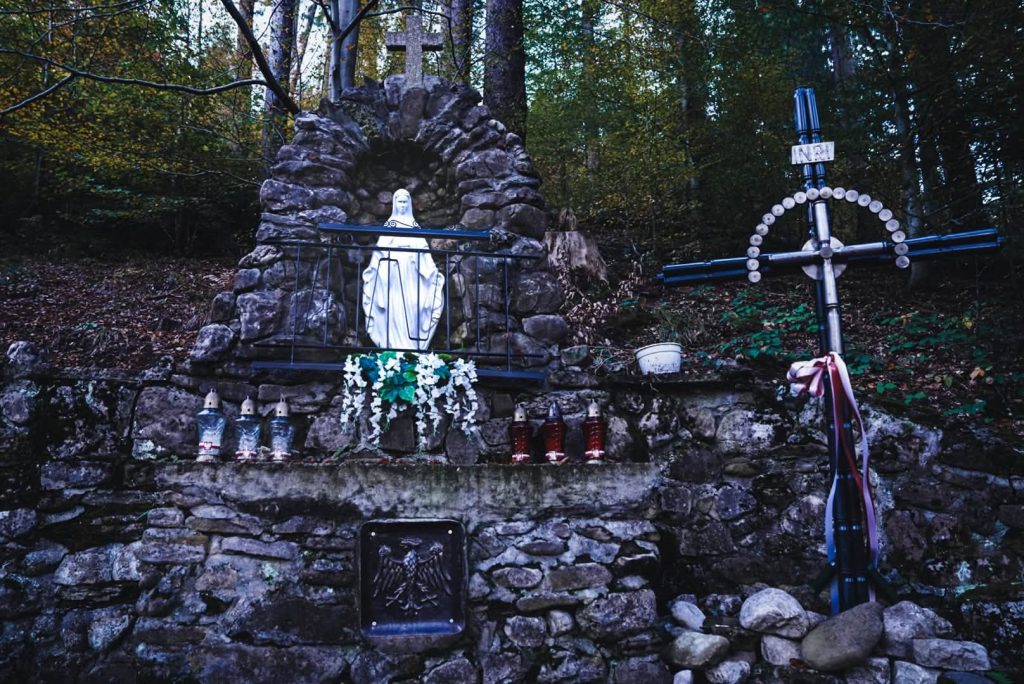
This place remains an important point on the map of Polish historical memory, including due to the annual services held there, which bring together Poles who want to pay tribute to the soldiers and cultivate the memory of their fate. Due to the historical significance of the shrine and the tradition of commemoration maintained around it, this location has been identified as a potential site for future commemorative activities by the Institute of National Remembrance.
These activities serve not only to preserve material evidence of the past, but also to the transmission of knowledge about the history of Poland to future generations and to the construction of an international space of commemoration as well as to the ties between the two countries.